
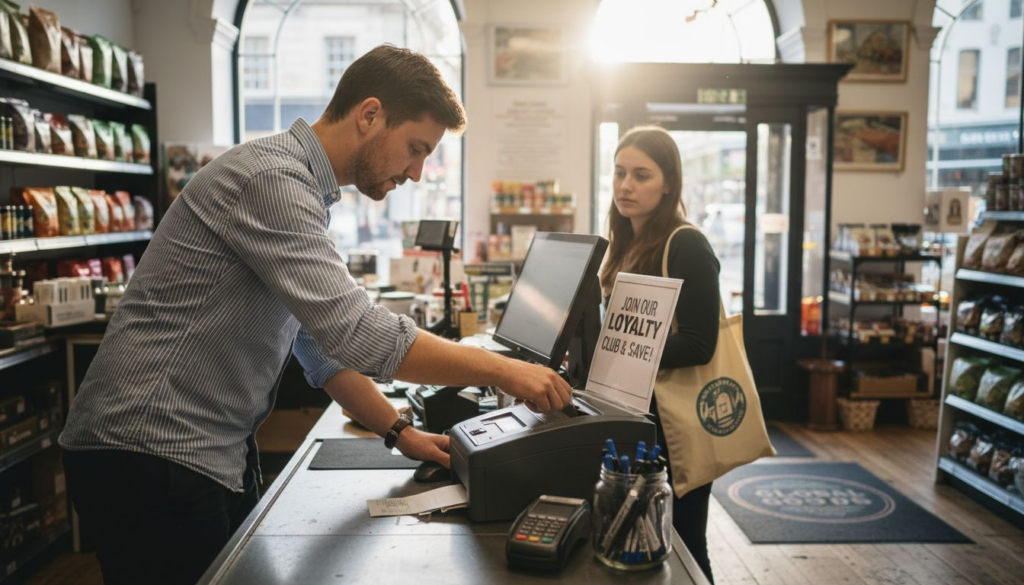
Finding the right tool for managing sales and customers often feels like a moving target for British retailers and hospitality venues. The fast-paced nature of daily transactions means efficiency and accuracy matter more than ever. Upgrading to a modern Point of Sale (POS) system offers more than payment convenience, delivering real-time insights, secure data protection, and integrated management features that help your business run smoothly while enhancing the customer experience.
Table of Contents
- Defining POS Software In Retail And Hospitality
- Major Types Of POS Software Solutions
- Essential Features And Real-World Applications
- Compliance, Security, And Data Protection Requirements
- Costs, Risks, And Optimising Your POS Investment
Key Takeaways
| Point | Details |
|---|---|
| Modern POS Systems are Comprehensive Tools | POS systems have evolved from traditional registers to integrated solutions that optimise business operations and enhance customer engagement. |
| Selecting the Right POS System is Crucial | Businesses should prioritise scalability and integration capabilities tailored to their specific operational needs when choosing a POS system. |
| Data Protection is Essential | Robust security measures and compliance with data protection regulations are critical in maintaining customer trust in POS systems. |
| POS Investment Requires Strategic Planning | Evaluating the total cost of ownership and potential long-term efficiency gains is vital for making informed decisions regarding POS investments. |
Defining POS Software in Retail and Hospitality
A Point of Sale (POS) system represents a sophisticated technological solution that transforms transaction processing and operational management for businesses in retail and hospitality sectors. These integrated platforms combine hardware and software components to deliver comprehensive business management capabilities, moving far beyond traditional cash register functionalities.
At its core, a POS system encompasses several critical technological elements designed to streamline business operations:
- Transaction processing hardware (terminals, card readers)
- Integrated software for sales tracking
- Inventory management tools
- Financial reporting capabilities
- Customer engagement features
Modern POS solutions have dramatically evolved from simple transaction recording devices into comprehensive operational platforms. Today’s systems provide real-time data insights, enabling businesses to make informed decisions about stock levels, sales performance, and customer preferences.
In the hospitality and retail environments, these systems play a pivotal role in enhancing operational efficiency. They enable businesses to track sales in real-time, manage complex inventory requirements, process multiple payment methods, and generate detailed financial reports with unprecedented accuracy.
POS software transforms raw transaction data into strategic business intelligence, providing managers with actionable insights.
The technological sophistication of contemporary POS systems means they can integrate multiple business functions seamlessly. From tracking customer purchase histories to managing staff scheduling, these platforms have become essential strategic tools for modern businesses.

Pro tip: When selecting a POS system, prioritise solutions that offer scalability and comprehensive integration capabilities across your specific business needs.
Major Types of POS Software Solutions
Point of Sale (POS) software has evolved significantly, offering diverse solutions tailored to meet specific business requirements in retail and hospitality sectors. Different POS system types provide unique capabilities designed to address varied operational challenges.
The primary types of POS software solutions include:
-
Mobile POS (mPOS): – Enables transactions via smartphone or tablet
- Ideal for businesses requiring flexibility
- Perfect for pop-up stores, food trucks, and mobile retailers
-
Web-Based POS:
- Accessible from any internet-enabled device
- Offers remote management capabilities
- Supports multi-location business operations
-
Desktop POS:
- Traditional system combining hardware and software
- Provides comprehensive management features
- Best for fixed retail locations with consistent infrastructure
-
Cloud-Based POS:
- Automatic updates and data synchronisation
- Enhanced scalability and remote access
- Reduced infrastructure maintenance costs
-
Legacy POS:
- Local data storage
- Limited flexibility
- Suitable for businesses with minimal technological requirements
Each POS system type offers distinct advantages, allowing businesses to select solutions that align precisely with their operational strategies and technological infrastructure.
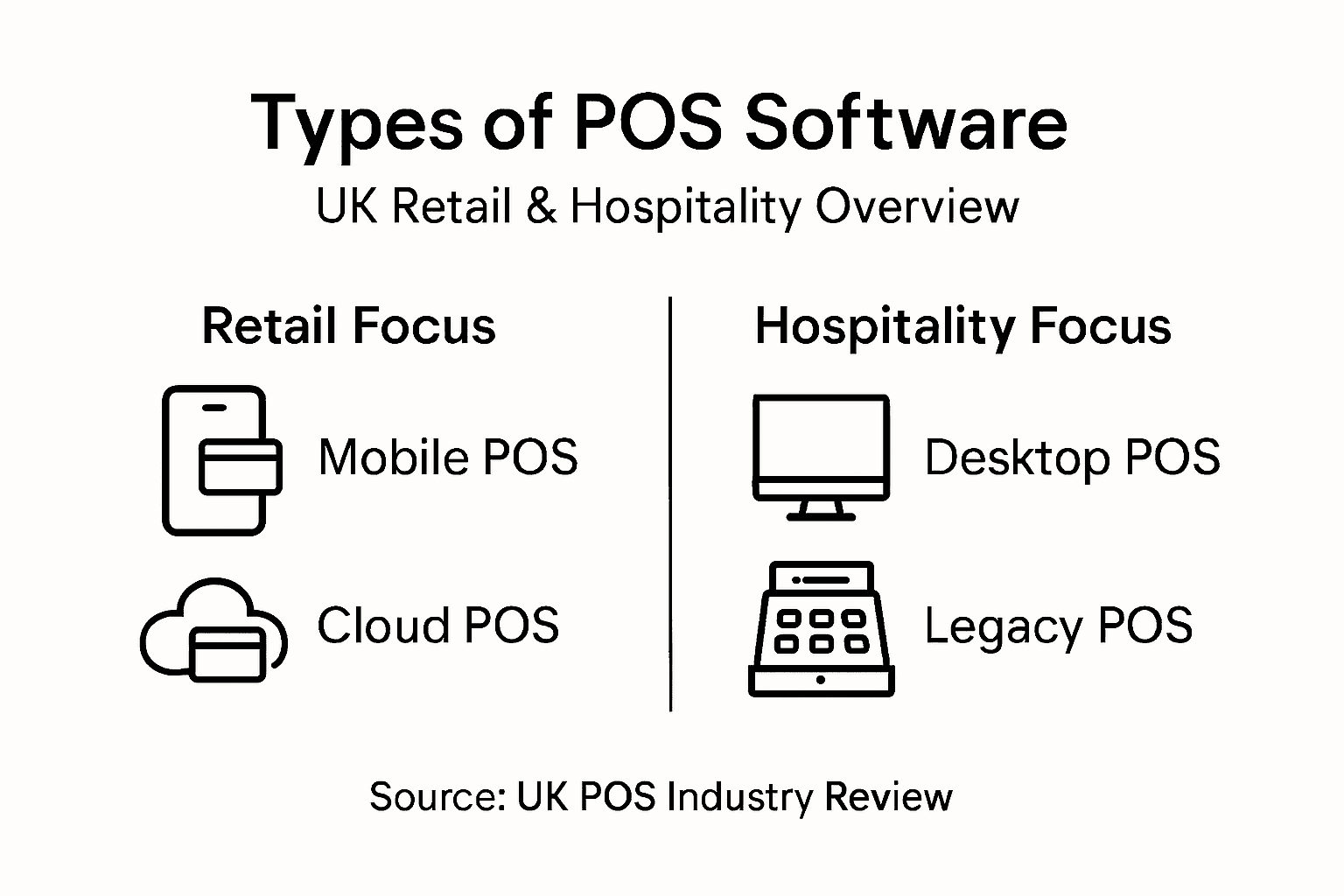
Here is a summary of how each POS software type fits different business needs:
| POS Type | Best For | Key Advantages | Common Limitations |
|---|---|---|---|
| Mobile POS | Mobile retailers, pop-up shops | Maximum flexibility, rapid setup | Limited features for large sites |
| Web-Based POS | Multi-location businesses | Remote access, easy scaling | Needs stable internet connection |
| Desktop POS | Fixed retail environments | Robust management, durability | Limited mobility, upfront costs |
| Cloud-Based POS | Growing or distributed companies | Low maintenance, automatic updates | Reliant on internet |
| Legacy POS | Traditional, low-tech outlets | Simple, local operation | Outdated, poor integration |
Modern POS software transcends traditional transaction processing, becoming a strategic business intelligence tool.
Retail and hospitality businesses must carefully evaluate their specific needs, considering factors like transaction volume, mobility requirements, reporting capabilities, and integration potential when selecting a POS system.
Pro tip: Prioritise POS solutions offering seamless integration, scalability, and comprehensive reporting features to future-proof your business technology investment.
Essential Features and Real-World Applications
Point of Sale (POS) technologies have transformed dramatically, offering comprehensive business management features that extend far beyond simple transaction processing. These sophisticated systems now serve as strategic technological platforms enabling businesses to optimise operations, enhance customer experiences, and drive informed decision-making.
Key essential features of modern POS systems include:
-
Compliance and Security:
- Robust data protection mechanisms
- Secure customer information management
- Fraud prevention capabilities
-
Inventory Management:
- Real-time stock tracking
- Automated purchase order generation
- Multi-location inventory synchronisation
-
Customer Engagement:
- Loyalty programme integration
- Personalised marketing tools
- Customer data analytics
-
Payment Processing:
- Multiple payment method support
- Seamless transaction handling
- Quick and secure payment workflows
-
Reporting and Analytics:
- Detailed sales performance insights
- Financial reporting tools
- Business intelligence dashboards
In real-world applications, these features translate into tangible business benefits across various sectors. Restaurants can manage kitchen communications, retail stores can track inventory precisely, and hospitality venues can streamline customer billing processes.
The following table highlights how essential POS features impact retail and hospitality businesses:
| Feature | Retail Benefit | Hospitality Benefit | Example Impact |
|---|---|---|---|
| Inventory Management | Minimises stock-outs | Reduces kitchen shortages | Accurate supply purchasing |
| Customer Engagement | Increases repeat visits | Improves guest loyalty programmes | Higher retention rates |
| Security & Compliance | Protects payment data | Safeguards customer information | Prevents legal penalties |
| Reporting & Analytics | Informs sales strategies | Tracks menu popularity | Data-driven promotions |
Modern POS systems are more than transactional tools – they are comprehensive business intelligence platforms.
Businesses can leverage these advanced technologies to reduce operational errors, improve customer satisfaction, and make data-driven strategic decisions. The ability to integrate multiple functions within a single platform represents a significant technological advancement in business management.
Pro tip: Select a POS system that offers seamless scalability and comprehensive integration capabilities to future-proof your business technology infrastructure.
Compliance, Security, and Data Protection Requirements
Point of Sale (POS) systems handle sensitive customer and business data, making robust data protection critical for maintaining legal compliance and customer trust. The complex regulatory landscape requires businesses to implement comprehensive security strategies that protect personal information while ensuring seamless operational functionality.
Key compliance and security requirements for POS systems include:
-
Legal Compliance:
- Adherence to UK GDPR regulations
- Data Protection Act 2018 standards
- Transparent data processing protocols
-
Data Protection Principles:
- Lawful and transparent data collection
- Minimisation of personal data storage
- Accurate and up-to-date information management
-
Security Mechanisms:
- Encryption of sensitive transaction data
- Secure user authentication protocols
- Regular security vulnerability assessments
-
Customer Data Management:
- Explicit consent for data processing
- Secure data storage infrastructure
- Clear data retention and deletion policies
-
Breach Prevention:
- Comprehensive cybersecurity measures
- Incident response and reporting mechanisms
- Continuous security monitoring systems
Businesses must recognise that data protection extends beyond mere technical compliance. It represents a fundamental commitment to maintaining customer trust and protecting organisational reputation in an increasingly digital marketplace.
Effective data protection is not just a legal requirement, but a critical business strategy for maintaining customer confidence.
Implementing robust security measures requires a holistic approach that combines technological solutions, staff training, and ongoing risk assessment. POS systems must be designed with security at their core, integrating advanced protection mechanisms that safeguard both customer and business interests.
Pro tip: Conduct regular security audits and invest in continuous staff training to maintain robust data protection standards across your organisation.
Costs, Risks, and Optimising Your POS Investment
Investing in a Point of Sale (POS) system represents a significant strategic decision for retail and hospitality businesses. Selecting the right solution requires careful consideration of initial investments, potential risks, and long-term operational benefits.
Key financial and strategic considerations include:
-
Initial Investment Costs:
- Hardware procurement expenses
- Software licensing fees
- Installation and setup charges
- Staff training requirements
-
Ongoing Operational Expenses:
- Monthly software subscription
- Technical support contracts
- Regular system updates
- Potential hardware maintenance
-
Risk Mitigation Strategies:
- Comprehensive vendor evaluation
- Scalable system architecture
- Robust data security protocols
- Flexible integration capabilities
-
Performance Evaluation Metrics:
- Return on investment timeframe
- Operational efficiency improvements
- Customer experience enhancement
- Reduction in manual processing costs
Businesses must approach POS investments as strategic technology partnerships rather than mere transactional purchases. Understanding the total cost of ownership involves examining both immediate financial implications and long-term operational transformations.
A well-selected POS system is an investment in business efficiency, not just an operational expense.
Successful POS system implementation requires a holistic approach that balances technological capabilities, financial constraints, and specific business requirements. Careful planning and thorough vendor assessment can significantly minimise potential risks and maximise technological returns.
Pro tip: Develop a comprehensive evaluation framework that considers not just upfront costs, but potential long-term efficiency gains and scalability of your chosen POS solution.
Unlock the Full Potential of Your Business with Expert POS Solutions
For UK retailers and hospitality professionals facing the challenges of integrating comprehensive, secure, and scalable Point of Sale systems, finding a trusted partner is essential. The article emphasises the critical need for POS software that not only manages sales transactions but also delivers real-time inventory management, detailed reporting, and robust data protection compliant with UK regulations. Navigating these complexities while ensuring smooth operations and customer satisfaction can seem overwhelming without a reliable, experienced provider.
At YCR Distribution, we understand these challenges and offer tailored POS solutions designed specifically to meet the evolving demands of retail and hospitality businesses. From versatile SAMTOUCH and EZEEPOS software to a wide range of hardware such as POS terminals, tablets, and barcode scanners, we combine cutting-edge technology with industry expertise. Our services include next-day delivery, credit accounts, and same-day dispatch, ensuring your business stays efficient and competitive.
Elevate your business operations and build customer trust with POS systems built for growth and integration. Explore our comprehensive solutions and partner with a distributor trusted by UK retailers and hospitality venues alike.
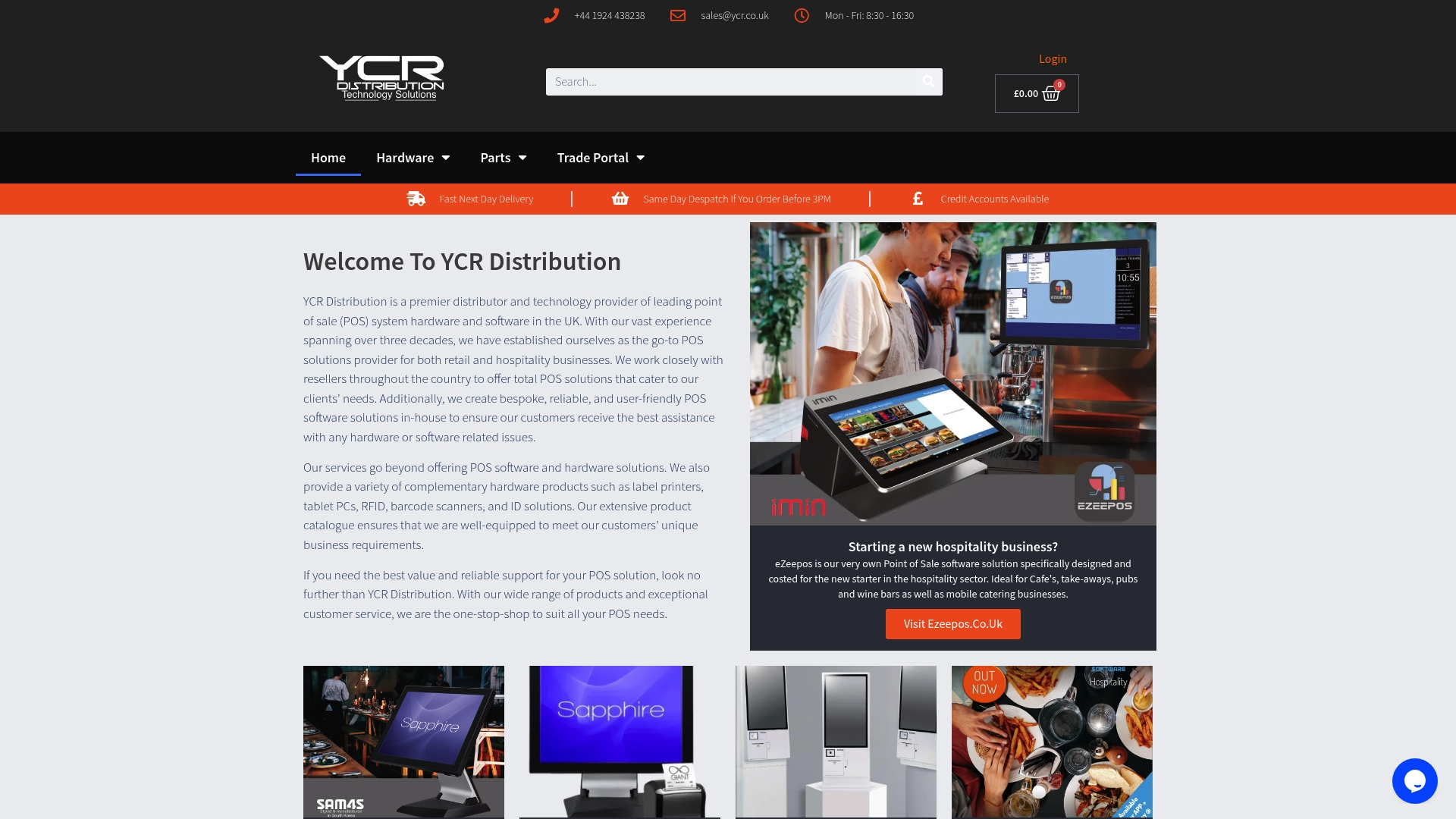
Ready to transform your retail or hospitality business with scalable and secure POS software? Visit YCR Distribution now to discover how our specialised hardware and software solutions can safeguard your investment, streamline your workflows, and boost customer loyalty. Take control of your business future today.
Frequently Asked Questions
What is POS software and how does it benefit businesses?
POS software is a system that manages transaction processing and various business functions beyond traditional cash registers. It benefits businesses by streamlining operations, providing real-time data insights, and improving customer engagement.
What are the main types of POS software solutions available?
The main types include Mobile POS (mPOS), Web-Based POS, Desktop POS, Cloud-Based POS, and Legacy POS. Each type has unique features suited to different business needs, such as flexibility, remote access, and scalability.
What essential features should I look for in a POS system?
Key features to consider include compliance and security measures, inventory management capabilities, customer engagement tools, payment processing options, and robust reporting and analytics functions that provide insights into sales performance and business health.
What are the costs associated with implementing a POS system?
Costs can include initial investment expenses for hardware and software, installation and training fees, and ongoing operational expenses such as monthly subscriptions and technical support. It’s important to evaluate the total cost of ownership when considering a POS system.