
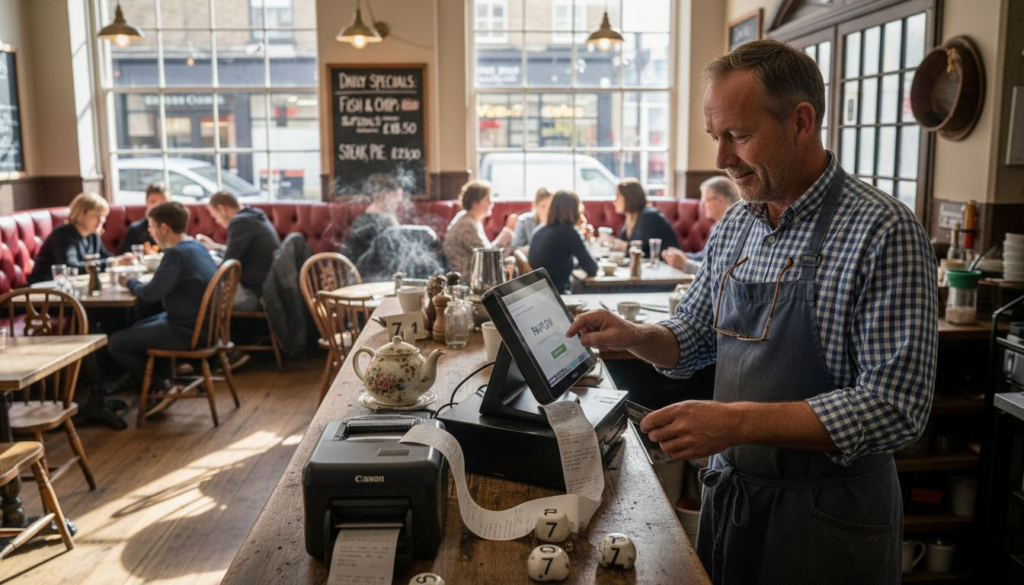
Running a busy venue in the United Kingdom means juggling customer expectations and back-end challenges at every turn. As guest demands shift towards quicker service and flexible payments, the right POS system becomes more than just a checkout tool. Exploring the most innovative POS solutions will help you deliver seamless transactions, boost staff efficiency, and keep your business ahead in the modern hospitality scene.
Table of Contents
- Defining POS Systems In Hospitality
- Modern POS Types And Their Functions
- Key Operational Benefits For UK Venues
- Security, Compliance, And Data Protection
- Costs, Integration, And Choosing Wisely
Key Takeaways
| Point | Details |
|---|---|
| Modern POS Systems Empower Operations | Implementing advanced POS systems enhances efficiency through real-time data access, faster transactions, and improved inventory management. |
| Security Is Essential | Compliance with Payment Card Industry Data Security Standard (PCI DSS) is crucial to protect customer data and your reputation. |
| Cost Considerations Matter | Understand hardware, software, and integration costs to ensure a wise investment that balances functionality with budget constraints. |
| Integration Is Key for Efficiency | Ensure your chosen POS can seamlessly integrate with existing software for optimal operational flow and reduced errors. |
Defining POS Systems in Hospitality
[Your complete section content here]
Modern POS Types and Their Functions
Today’s hospitality venues have more choices than ever. Modern POS systems have evolved far beyond the traditional cash register, offering diverse solutions tailored to different business needs and operational styles.
Cloud-based POS systems represent a significant shift in how restaurants manage operations. These systems store data on remote servers, allowing staff to access information from any location with an internet connection. This flexibility proves invaluable for multi-site venues or those with delivery operations.
Mobile POS solutions bring payment processing directly to your tables. Waitstaff can take orders and process payments using tablets or smartphones, reducing customer wait times and improving the dining experience. Many venues find this particularly useful during peak service periods.
Integrated restaurant management platforms combine multiple functions into one cohesive system. Advanced data analytics capabilities within these platforms help you track inventory, analyse sales patterns, and optimise staffing decisions from a single dashboard.
Here are the primary modern POS types transforming UK hospitality:
- Cloud-based systems: Remote data storage, multi-location access, automatic updates
- Mobile POS: Tableside ordering, flexible payment processing, improved guest interaction
- Integrated platforms: Inventory management, labour analytics, customer relationship tools
- Hybrid solutions: Combining on-premise and cloud functionality for maximum control
Modern systems now support contactless transactions, digital wallets, and multiple payment methods simultaneously, meeting guest expectations in an increasingly cashless society.
Payment flexibility has become non-negotiable. Today’s customers expect to pay via card, mobile wallet, or contactless methods seamlessly. Systems that support diverse payment options give venues a competitive advantage.
Inventory management through POS systems prevents costly stockouts and excess waste. Real-time tracking shows what’s selling, what’s sitting, and when to reorder. This data-driven approach directly impacts your profit margins.
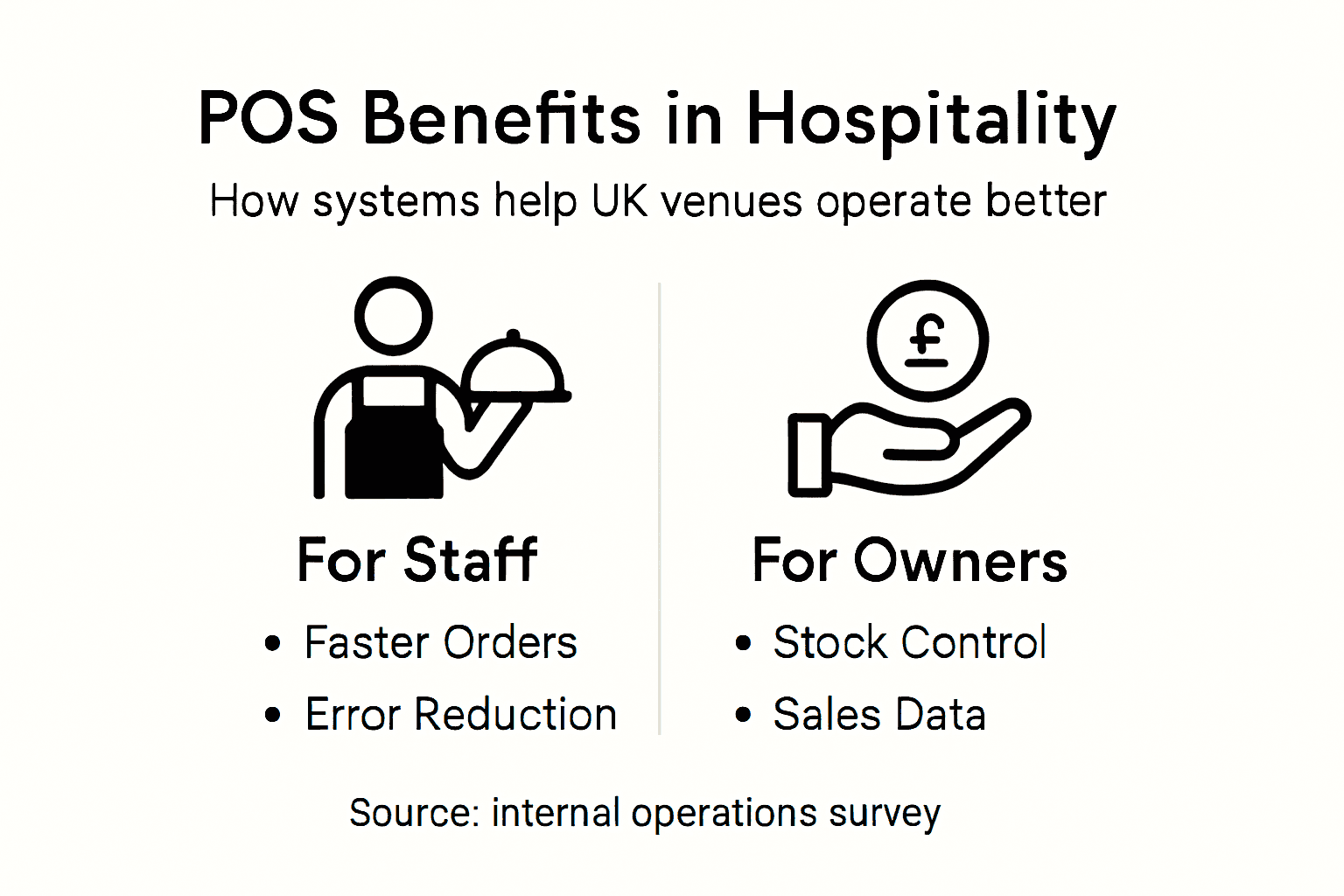
The choice between these systems depends on your venue’s size, budget, and operational complexity. A small café might thrive with cloud-based simplicity, whilst a multi-outlet restaurant group needs integrated analytics and multi-location oversight.
Here’s how the main POS system types support different hospitality business needs:
| POS System Type | Best For | Key Advantage |
|---|---|---|
| Cloud-based | Multi-site venues, cafés | Remote access, automatic updates |
| Mobile | Busy restaurants, pubs | Quick tableside payments and orders |
| Integrated platform | Large restaurants, hotel groups | All functions in one system |
| Hybrid | Venues needing robust backups | Operates both online and offline |
Pro tip: Test drive any POS system with a trial period before committing, ensuring it integrates smoothly with your existing suppliers and payment processors—compatibility issues can derail operations faster than any technical glitch.
Key Operational Benefits for UK Venues
A modern POS system transforms how your venue operates behind the scenes. The real value shows itself in faster transactions, fewer errors, and better decision-making every single day.
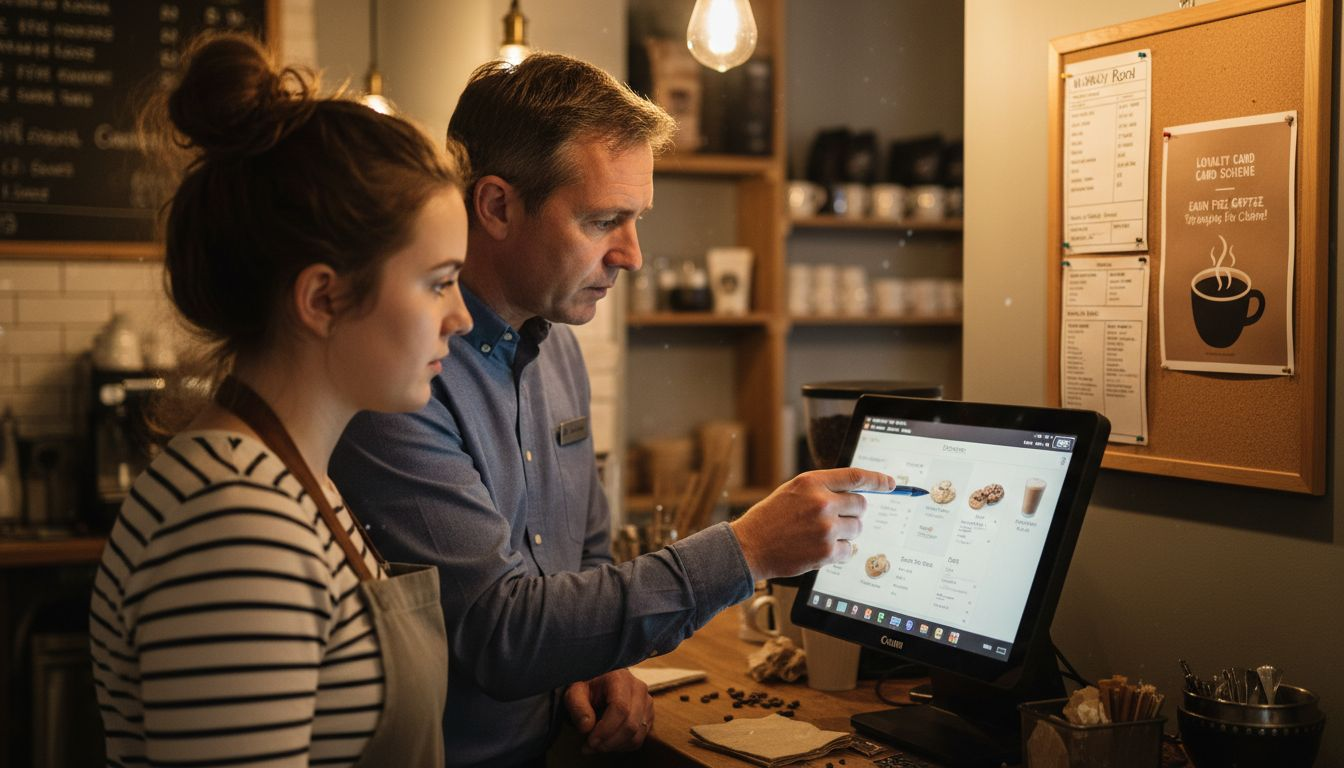
Speed matters in hospitality. When orders process instantly and payments complete without delays, customers feel the difference. Accelerated order processing directly reduces table turnover times, allowing you to serve more guests during peak periods.
Accuracy eliminates costly mistakes. Manual entry errors disappear when staff input orders once into the system. Inventory counts become reliable, reducing waste and preventing unexpected stockouts that frustrate customers.
Real-time reporting gives you control. Access sales data instantly rather than waiting for manual calculations. You see which dishes sell best, which time slots are busiest, and where money actually goes. This intelligence drives smarter decisions about menu pricing and staff scheduling.
Key operational benefits your venue will experience:
- Faster transactions: Reduced customer wait times during service
- Inventory accuracy: Real-time stock tracking prevents waste and stockouts
- Staff efficiency: Better labour scheduling based on actual demand patterns
- Error reduction: Automated processes eliminate manual entry mistakes
- Financial clarity: Instant access to revenue and cost data
- Customer insights: Loyalty programme data reveals buying preferences
Modern POS systems help UK venues report improved revenue, enhanced operational efficiency, and greater customer satisfaction simultaneously.
Food waste becomes visible and manageable. Track what gets prepared but unsold, what’s over-ordered, and what needs better menu engineering. Venues implementing this typically reduce waste by 15-25 percent.
Payment flexibility meets customer expectations. Supporting contactless cards, mobile wallets, and traditional methods means fewer abandoned transactions. Customers expect seamless payment options, and your system should deliver exactly that.
Staff management improves dramatically. Analyse which employees work most efficiently, which shifts generate the most revenue, and where training gaps exist. Schedule staff based on actual demand rather than assumptions.
The competitive advantage builds quietly over time. Whilst competitors manually count stock and wait for monthly reports, you’re optimising decisions hourly. This compounds into measurable profit growth.
Pro tip: Start by automating your highest-volume transactions first, then expand to inventory tracking and reporting once staff feel comfortable with the system—rapid implementation across too many functions creates staff resistance and errors.
Security, Compliance, and Data Protection
Customer data flows through your POS system constantly. Protecting that information isn’t optional—it’s a legal obligation and a trust issue that directly affects your reputation.
Payment Card Industry Data Security Standard (PCI DSS) compliance is non-negotiable for any UK venue accepting cards. This framework establishes minimum security requirements to protect cardholder data from theft and fraud. Non-compliance can result in hefty fines and loss of payment processing privileges.
Modern POS systems encrypt sensitive data both in transit and at rest. Encryption scrambles information so only authorised systems can read it, making intercepted data worthless to criminals. Your payment provider should handle this automatically.
User access controls prevent internal threats. Different staff members need different permissions. A cashier shouldn’t access manager reports, and delivery drivers shouldn’t modify menu prices. Granular controls ensure employees see only what they need.
Critical security measures your POS system must include:
- End-to-end encryption: Protects all payment card data from point of entry
- Multi-factor authentication: Requires passwords plus a second verification method
- Regular security updates: Patches vulnerabilities before criminals exploit them
- Audit trails: Records who accessed what data and when
- Secure backups: Protects against data loss from hardware failure or cyberattacks
- Role-based permissions: Limits staff access to appropriate functions only
A single data breach can cost thousands in fines, legal fees, and lost customers—investing in proper security protects your entire business.
Cloud-based POS systems often provide better security than on-premise alternatives. Professional hosting companies employ dedicated security teams, maintain multiple backups across different locations, and update systems automatically without disrupting your operations.
Data retention policies matter. You don’t need to store every transaction forever. UK data protection law requires you to keep data only as long as necessary for business purposes. Regularly deleting old records reduces your exposure if a breach occurs.
Staff training prevents most security breaches. Teach employees never to share passwords, recognise phishing attempts, and report suspicious activity immediately. One weak password compromises your entire system.
Choose a POS provider with transparent security documentation. They should openly discuss their compliance certifications, security practices, and incident response procedures. Vague answers are red flags.
Pro tip: Conduct a security audit annually with your POS provider, documenting all compliance measures and staff training completion—this creates a paper trail proving due diligence if ever questioned by authorities or customers.
Costs, Integration, and Choosing Wisely
Investing in a POS system requires upfront commitment, but the returns typically justify the expense. Understanding true costs helps you make informed decisions rather than chasing the cheapest option.
Initial hardware costs vary significantly. Basic terminal setups cost between £800 and £2,500 depending on features. Multi-station venues need multiple devices, pushing costs higher. Don’t forget accessories like barcode scanners, receipt printers, and customer displays.
Software licensing adds recurring expenses. Monthly subscription models typically range from £50 to £300 depending on functionality and user accounts. Some vendors charge per terminal, others per location. Read contracts carefully to understand exactly what you’re paying for.
Staff training requires time and money. New systems disrupt operations during implementation. Budget for extended onboarding where your team learns new workflows. Poor training leads to underutilisation of features and increased error rates.
Total cost of ownership includes often-overlooked expenses:
Typical POS costs and essential integration considerations for UK venues:
| Cost/Factor | Typical Range or Concern | Practical Impact |
|---|---|---|
| Hardware investment | £800 – £2,500 per terminal | Impacts initial setup budgeting |
| Software subscription | £50 – £300 monthly | Determines ongoing operating cost |
| Payment fees | 1.5% – 3% per transaction | Directly reduces profit margin |
| Integration challenge | Compatibility with key tools | Affects workflow and reduces errors |
- Hardware replacement and upgrades every 4-5 years
- Software maintenance and annual updates
- Staff training and retraining
- Payment processing fees (typically 1.5-3% per transaction)
- Technical support and troubleshooting
- Integration with existing systems (booking software, inventory tools)
Careful planning and vendor evaluation during selection prevents costly mistakes that compound over years of operation.
Integration challenges matter more than most owners realise. Your POS doesn’t operate in isolation. It needs to talk to reservation systems, inventory management, accounting software, and delivery platforms. Incompatible systems force manual data entry, creating errors and wasting staff time.
Seamless integration between POS and other hospitality technologies like booking and inventory systems significantly reduces operational friction. Ask vendors directly: does this system integrate with our current tools? Demand specific answers, not vague promises.
When evaluating vendors, ask these critical questions:
- What’s the total cost for three years, including all fees and training?
- Which of our existing systems does your POS connect with?
- What happens if we need custom integration?
- How long does implementation typically take?
- What support do you provide after go-live?
Don’t choose purely on price. The cheapest option often costs more in wasted time and poor functionality. Mid-range systems from established vendors usually offer the best balance of features, support, and reliability.
Pro tip: Request a two-week trial period before committing, testing the system during your busiest service period to identify real-world integration issues before signing long-term contracts.
Discover Reliable POS Solutions to Transform Your UK Hospitality Venue
The article highlights common challenges faced by hospitality businesses such as managing speedy transactions, integrating diverse payment options, ensuring security compliance, and streamlining operations with efficient POS systems. If you seek to overcome issues like integration headaches, costly errors, or inflexible payment support, YCR Distribution offers tailored solutions designed specifically for venues like yours. Whether you need cloud-based terminals, mobile POS devices, or fully integrated platforms including SAMTOUCH and EZEEPOS software, our extensive hardware range and expert support can help you embrace modern technology with confidence.
Take control of your venue’s efficiency and security today by partnering with a trusted UK provider. Explore our comprehensive POS hardware and software options on the YCR website, and benefit from next-day delivery alongside credit account facilities. Don’t let outdated systems hold your business back – upgrade now to meet your customer expectations and regulatory demands with ease.
Frequently Asked Questions
What are the different types of POS systems available for hospitality venues?
Modern hospitality venues can choose from various POS systems, including cloud-based systems, mobile POS solutions, integrated restaurant management platforms, and hybrid solutions that combine on-premise and cloud functionalities.
How can a modern POS system improve operational efficiency in a restaurant?
A modern POS system enhances operational efficiency by speeding up transaction times, improving inventory accuracy, reducing manual entry errors, and providing real-time sales data for better decision-making.
What security measures should a POS system include to protect customer data?
A robust POS system should feature end-to-end encryption, multi-factor authentication, regular security updates, audit trails, secure backups, and role-based permissions to mitigate data breaches and ensure compliance.
What costs should I consider when investing in a POS system for my venue?
Investing in a POS system entails various costs, including initial hardware costs, software licensing fees, employee training expenses, ongoing payment processing fees, and potential integration challenges with existing systems.