- +44 1924 438238
- sales@ycr.co.uk
- Mon - Fri: 8:30 - 16:30

Benefits of integrated POS systems for UK hospitality 2026
Fragmented POS systems create operational chaos for UK hospitality and retail businesses. Disjointed payment terminals, manual inventory logs, and separate accounting software drain staff time and invite costly errors. Integrated POS systems unify these functions into one platform, enhancing efficiency, compliance, and customer experience. This guide helps you understand the benefits, compare leading options, and choose the right system for your business.
Table of Contents
- How To Choose The Right Integrated POS System For Your Business
- Operational Efficiency And Integration Benefits
- Inventory And Stock Management Improvements
- Comparison Of Leading Integrated POS Systems In The UK
- Implementation Considerations And Risk Management
- Which Integrated POS System Should You Choose? Situational Recommendations
- Discover YCR’s Integrated POS Hardware And Software Solutions
Key takeaways
| Point | Details |
|---|---|
| Integration boosts efficiency | Unified systems reduce errors, streamline workflows, and cut duplicate data entry across sales, inventory, and payments. |
| Real-time analytics drive decisions | Live reporting on stock, sales, and labour enables faster, smarter operational choices and margin control. |
| Compliance is built in | Automated tip management and payment integration ensure adherence to UK tipping laws effective October 2024. |
| Comparison reveals best fit | Square, EPOS Now, Lightspeed, and YUMAPOS each serve different business models and budgets in UK hospitality and retail. |
| Implementation needs planning | Phased rollouts, comprehensive training, and offline modes minimise disruption and risks during transition. |
How to choose the right integrated POS system for your business
Selecting an integrated POS system requires matching features to your operational reality. Start by evaluating your service model. Quick-service cafes need speed and mobile ordering, whilst full-service restaurants demand table management and kitchen display integration. Scalability matters too. If you plan to open additional sites, prioritise systems that support centralised multi-location management and consolidated reporting.
Compliance is non-negotiable. Integrated POS solutions support UK tipping laws by directing tips automatically to staff and ensuring financial transparency. Look for systems that handle tax calculations, receipt requirements, and payment card regulations without manual intervention.
Integration capabilities determine long-term value. Your POS should connect seamlessly with accounting software like Xero or QuickBooks, CRM platforms, and delivery aggregators such as Deliveroo or Uber Eats. Check compatibility lists before committing. Ease of use directly impacts staff productivity. Intuitive interfaces reduce training time and errors, especially during busy service periods. Request live demos and involve front-line staff in trials.
Pro tip: Prioritise systems with automated tip management for compliance and smoother payroll. This feature eliminates manual calculations and reduces payroll disputes.
Key selection criteria include:
- Operational fit with your service model and scalability needs
- Built-in compliance with UK payment and tipping regulations
- Integration with accounting, CRM, and delivery platforms
- Intuitive interface requiring minimal staff training
- Reliable support and hardware compatibility
For detailed guidance on choosing the right POS system, evaluate these factors against your business priorities and growth plans.
Operational efficiency and integration benefits
Modern integrated POS systems unify multiple business functions including order management, inventory tracking, payments, analytics, and compliance into one platform. This consolidation eliminates the inefficiencies of juggling separate systems. When orders flow automatically from front of house to kitchen displays and update stock levels in real time, staff spend less time on administrative tasks and more time serving customers.
Real-time sales and labour reporting transform decision-making. You can monitor which menu items generate the highest margins, identify peak service times, and adjust staffing levels accordingly. This visibility prevents overstaffing during quiet periods and understaffing during rushes, directly improving profitability. Integrated systems also reduce duplicate data entry. Sales figures populate accounting software automatically, eliminating manual reconciliations and the errors they introduce.
Streamlined workflows increase customer throughput. Faster order processing and payment handling mean shorter queues and higher table turnover in restaurants. Staff training becomes simpler when everyone uses one consistent interface rather than multiple disconnected tools. New hires reach productivity faster, reducing onboarding costs.
Integration benefits include:
- Unified order, payment, and inventory systems reducing errors and training time
- Real-time sales and labour reporting improving margin control and staffing decisions
- Elimination of duplicate data entry and manual reconciliations
- Faster customer service and higher throughput during peak periods
- Simplified staff training and quicker onboarding for new hires
Explore how restaurant POS systems boost UK efficiency and learn more about the role of POS in hospitality to maximise these operational gains.
Inventory and stock management improvements
Real-time inventory tracking is where integrated POS systems deliver immediate financial impact. Every sale automatically updates stock levels, giving you accurate counts without manual stocktakes. Automated alerts notify you when items approach reorder points, preventing shortages that disappoint customers and surpluses that tie up capital.
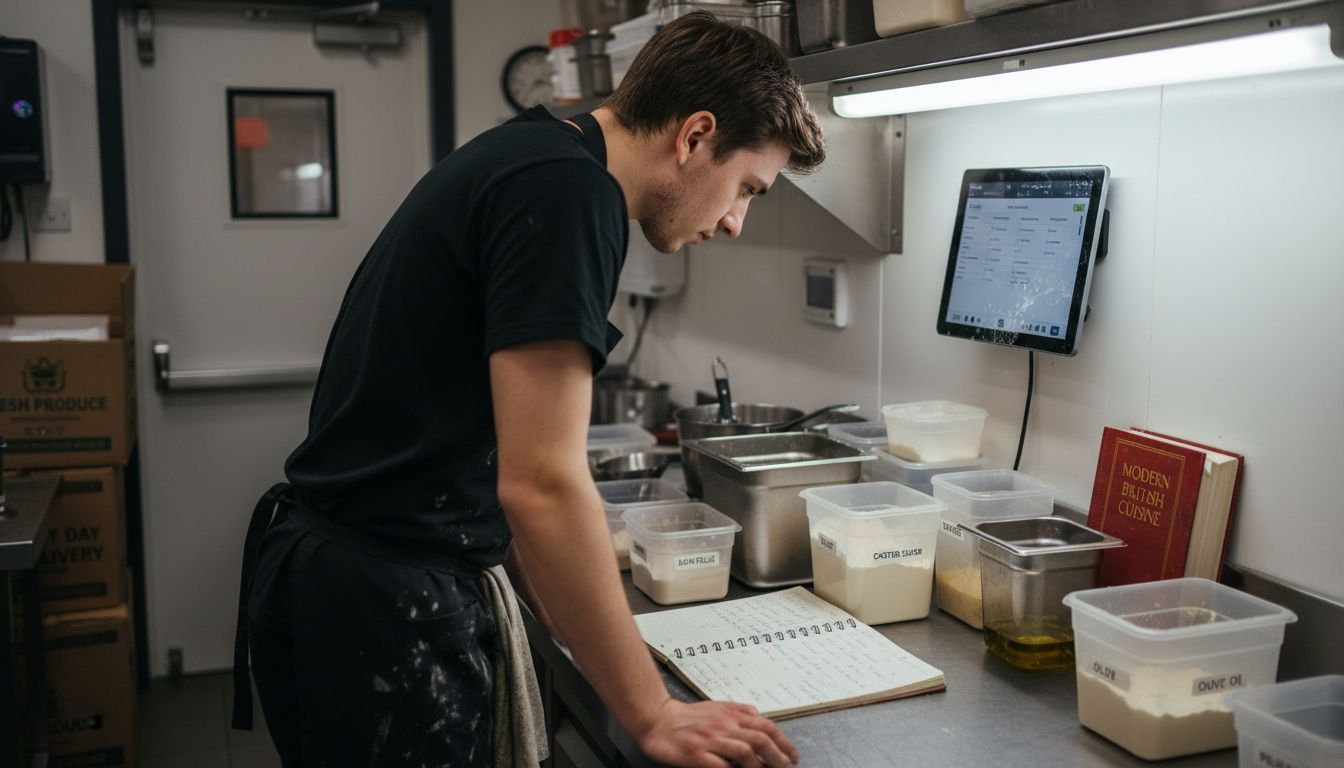
Leading UK POS systems offer AI-driven inventory predictions reducing waste and spoilage. These tools analyse historical sales patterns, seasonal trends, and even weather forecasts to recommend optimal order quantities. For perishable goods in hospitality, this capability cuts spoilage costs significantly. Retailers benefit from knowing which products to restock aggressively and which to phase out.
Improved inventory accuracy leads to better purchasing decisions. You can identify slow-moving items quickly and adjust menus or promotions before stock becomes obsolete. Variance reporting highlights discrepancies between recorded and actual stock, flagging potential theft or waste issues early. This visibility helps you negotiate better terms with suppliers by demonstrating precise demand forecasts.
Pro tip: Use POS alerts to quickly identify slow-moving items and adjust purchasing. Set thresholds that trigger notifications when inventory turnover slows, allowing you to clear stock through promotions before it becomes a loss.
Inventory management benefits include:
- Real-time dynamic stock tracking with automated reorder alerts
- AI-driven demand forecasting minimising spoilage and overstock costs
- Variance reporting detecting theft or waste early
- Data-driven purchasing decisions improving supplier negotiations
- Reduced capital tied up in excess inventory
Discover why UK businesses use POS systems for superior inventory control and cost savings.
Comparison of leading integrated POS systems in the UK
Leading providers offer tailored features and pricing suitable for diverse UK hospitality and retail needs. Square excels for startups and pop-ups with zero monthly contracts, pay-as-you-go pricing at 1.75% per transaction, and mobile-friendly hardware. It includes basic inventory, invoicing, and online ordering, making it ideal for businesses testing concepts or operating at markets and events.
EPOS Now suits full-service hospitality requiring front and back-of-house synchronisation. Monthly subscriptions start around £25 per terminal, with comprehensive reporting, staff management, and integration with major accounting platforms. The system scales well for single or multi-site restaurants needing detailed analytics and centralised control.
Lightspeed fits multi-location businesses demanding advanced inventory and e-commerce integration. Pricing begins at approximately £59 monthly per location, with tiered plans adding features like customer loyalty programmes and advanced analytics. Retailers and restaurant chains benefit from centralised stock management and unified reporting across sites.
YUMAPOS offers fixed monthly fees starting near £35 with hardware included, simplifying budgeting for small to medium venues. The all-inclusive model covers software updates, support, and basic hardware, reducing upfront capital requirements. It suits cafes, quick-service restaurants, and independent retailers seeking predictable costs.
| Provider | Monthly Cost | Key Features | Best For |
|---|---|---|---|
| Square | £0 + 1.75% fee | Mobile POS, basic inventory, online ordering | Startups, pop-ups, market traders |
| EPOS Now | From £25/terminal | Full-service restaurant features, staff management, reporting | Full-service restaurants, cafes |
| Lightspeed | From £59/location | Multi-location inventory, e-commerce, loyalty programmes | Retail chains, multi-site restaurants |
| YUMAPOS | From £35 (hardware included) | All-inclusive fixed cost, basic features, support | Small cafes, independent retailers |
For detailed guidance on choosing the right POS system, compare these options against your operational requirements and budget constraints.
Implementation considerations and risk management
Successful adoption of integrated POS systems depends on thorough planning and phased execution. Comprehensive staff training reduces errors and increases adoption rates. Schedule hands-on sessions covering daily tasks like processing payments, applying discounts, and handling refunds. Role-specific training ensures kitchen staff master order displays whilst front-of-house teams focus on customer-facing functions.
Offline mode ensures continued operation during internet outages or disruptions, critical for service continuity. When connectivity drops, the system stores transactions locally and syncs automatically once online. Verify this capability before purchasing, especially if your location experiences unreliable broadband.
Phased rollouts minimise risk. Start with one terminal or location, troubleshoot issues, and refine processes before expanding. This approach prevents system-wide disruptions and allows you to build internal expertise gradually. Running old and new systems in parallel for a brief period provides a safety net during transition.
Engage stakeholders early. Involve managers, staff, and accountants in the selection process to build consensus and identify potential objections. Address concerns about workflow changes and provide clear communication about benefits and timelines. Early buy-in reduces resistance and accelerates adoption.
Implementation best practices include:
- Comprehensive role-specific training for all staff members
- Verification of offline mode for uninterrupted service during outages
- Phased rollouts starting with single terminals or locations
- Parallel operation of old and new systems during transition periods
- Early stakeholder engagement building consensus and reducing resistance
Learn more about the role of POS software in managing these implementation challenges effectively.
Which integrated POS system should you choose? Situational recommendations
Your business context determines the best-fit integrated POS solution. Match your operational reality to these scenarios for clearer decision-making.
-
Small startups and pop-ups: Choose Square for affordable, no-contract mobile options with pay-as-you-go pricing. The low barrier to entry and flexibility suit businesses testing concepts or operating at temporary venues.
-
Full-service restaurants: Select EPOS Now for front and back office integration, table management, and kitchen display systems. The comprehensive feature set supports complex service workflows and detailed reporting needs.
-
Multi-location retail or hospitality chains: Opt for Lightspeed for centralised inventory control, unified reporting, and e-commerce integration. The platform scales efficiently across sites whilst maintaining operational consistency.
-
Budget-conscious independent venues: Consider YUMAPOS for fixed-cost, all-inclusive POS solutions with hardware bundled. Predictable monthly fees simplify budgeting and reduce capital outlay for cafes and small retailers.
-
Businesses prioritising UK compliance: Ensure your chosen system includes automated tip management and payment integration meeting current UK tipping laws. This feature is standard in EPOS Now and available in Square and Lightspeed.
For comprehensive guidance on choosing the right POS system, evaluate these recommendations against your growth plans, budget constraints, and operational priorities.
Discover YCR’s integrated POS hardware and software solutions
YCR Distribution offers comprehensive integrated POS solutions tailored for UK hospitality and retail businesses. With over three decades of experience, we provide advanced POS software including SAMTOUCH and EZEEPOS designed specifically for your sector. Our extensive hardware catalogue features POS terminals, tablets, barcode scanners, printers, and digital signage from trusted brands like SAM4S and iMin.
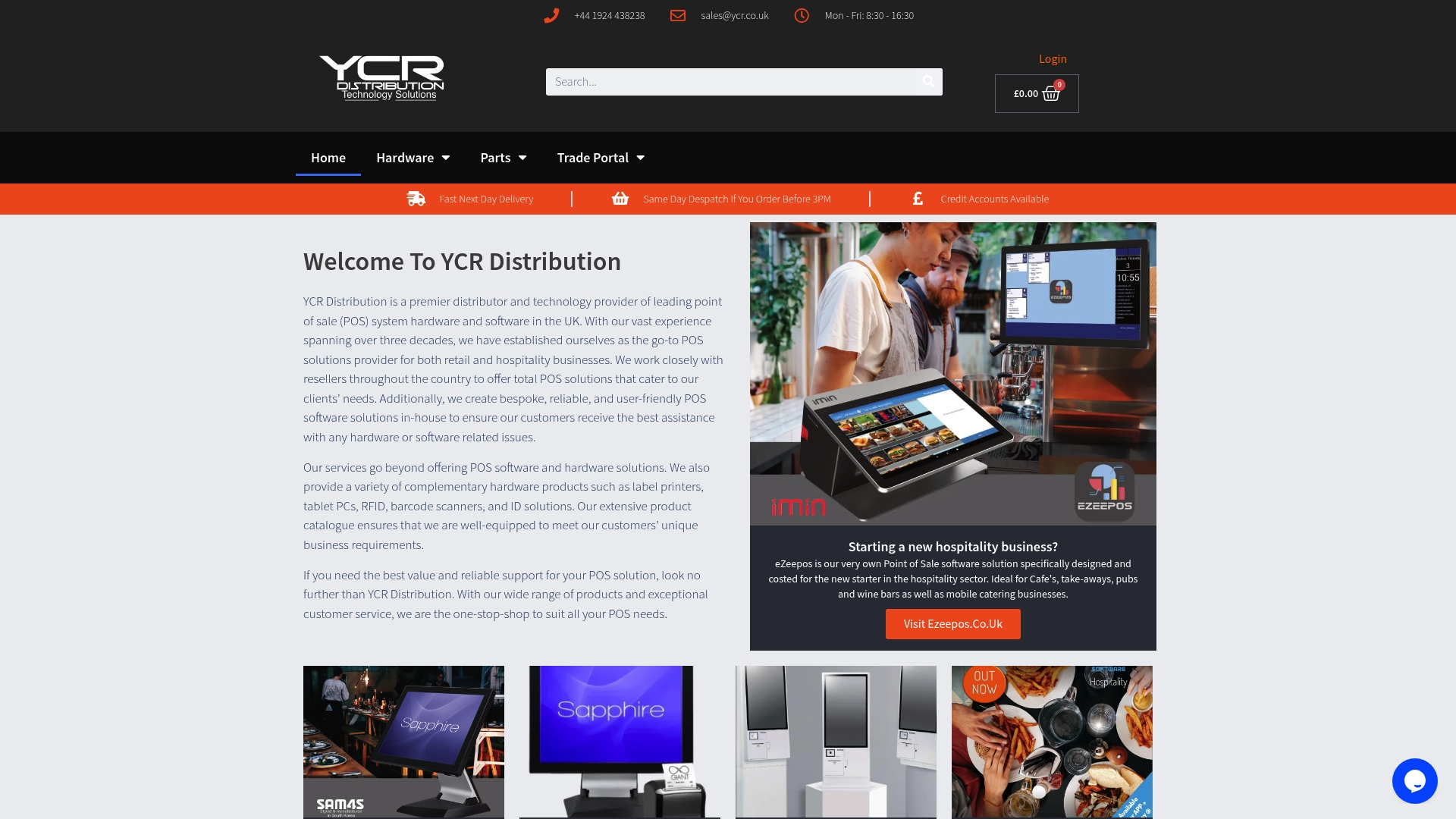
We support your entire operation with credit accounts, next-day delivery, and same-day dispatch options. Whether you operate restaurants, cafes, retail stores, or convenience shops, YCR delivers reliable, scalable retail point of sale systems that integrate seamlessly with your existing workflows. Our expert support team ensures smooth implementation and ongoing performance, helping you maximise efficiency and enhance customer experiences.
Frequently asked questions
What are the main benefits of integrated POS systems for UK hospitality?
Integrated POS systems unify sales, inventory, and payments into one platform, eliminating duplicate data entry and reducing errors. Real-time reporting enables faster decisions on stock levels, staffing, and menu optimisation. Built-in compliance with UK tipping laws and payment regulations protects your business from penalties whilst improving operational transparency.
How do integrated POS systems improve inventory management?
Real-time stock tracking updates inventory automatically with every sale, preventing shortages and overstocking. AI-driven demand forecasting analyses sales patterns to recommend optimal order quantities, reducing waste and spoilage. Automated alerts notify you when items approach reorder points, ensuring continuous availability of popular products.
Can integrated POS systems operate without internet connectivity?
Many leading UK POS providers offer offline mode allowing continued sales processing during internet outages. Transactions are stored locally and sync automatically once connectivity returns. Verify offline capability before purchasing, especially if your location experiences unreliable broadband or serves high volumes during peak periods.
What should UK businesses consider when implementing integrated POS systems?
Prioritise comprehensive staff training covering daily tasks and role-specific functions to reduce errors and increase adoption. Plan phased rollouts starting with one terminal or location to identify issues before full deployment. Engage stakeholders early including managers, staff, and accountants to build consensus and address workflow concerns proactively.
Which integrated POS system is best for multi-location UK businesses?
Lightspeed excels for multi-location retail and hospitality chains requiring centralised inventory control and unified reporting across sites. The platform offers advanced analytics, e-commerce integration, and customer loyalty programmes. Pricing starts around £59 monthly per location, with tiered plans adding features as your business scales.