- +44 1924 438238
- sales@ycr.co.uk
- Mon - Fri: 8:30 - 16:30

Role of Digital Signage – Impact on UK Retail Success
Delivering a memorable shopping experience can feel increasingly challenging as customer expectations rise across the United Kingdom. Every printed poster and static display competes for attention, but electronic display systems offer a way to connect with shoppers more dynamically. Designed as integrated platforms, digital signage combines real-time updates, personalised messages, and interactive features that go far beyond traditional advertising. Discover how these solutions transform retail environments by engaging customers, guiding purchases, and creating lasting impressions.
Table of Contents
- Defining Digital Signage In Retail Environments
- Types Of Retail Digital Signage Displays
- How Digital Signage Enhances Customer Engagement
- Practical Applications And Success Stories
- Common Pitfalls And How To Avoid Them
Key Takeaways
| Point | Details |
|---|---|
| Dynamic Content Delivery | Digital signage updates instantly, enabling retailers to display tailored messages that adapt to customer behaviour. |
| Enhanced Customer Engagement | Interactive displays transform passive viewing into active participation, encouraging customer interaction and loyalty. |
| Tailored Advertising Strategies | Retailers can personalise content based on time of day and customer demographics for more effective promotions. |
| Integration of Technology | Successful digital signage deployments require an effective content strategy and infrastructure to ensure reliable performance. |
Defining Digital Signage in Retail Environments
Digital signage is fundamentally different from traditional printed posters or static displays. It refers to electronic display systems that retailers use to communicate with customers, showcase products, and drive purchasing decisions.
At its core, digital signage combines hardware and software into integrated platforms designed to deliver dynamic, engaging content. Unlike a standard advertisement, these systems change in real time, respond to customer behaviour, and create immersive shopping experiences.
What Makes Digital Signage Different
Traditional retail marketing relies on printed materials that remain static until replaced. Digital signage, by contrast, updates instantly and can display multiple messages throughout the day.
Retailers use digital displays to accomplish three primary goals:
- Promote products and special offers dynamically
- Share real-time information with customers
- Create an engaging shopping environment
Technology integrated into retail environments enables you to tailor content based on time of day, customer demographics, or inventory levels. A morning display promoting coffee differs entirely from an evening promotion showcasing dinner meal deals.
Consider these key differences between digital and traditional retail signage:
| Criteria | Traditional Signage | Digital Signage |
|---|---|---|
| Update Speed | Requires manual replacement | Instant content updates |
| Message Variability | Single, static message | Rotating or tailored content |
| Customer Interaction | Passive viewing | Interactive participation |
| Adaptability | None | Real-time personalisation |
Core Components of Digital Signage Systems
Your digital signage setup consists of interconnected elements working together seamlessly. Each component serves a specific purpose in delivering content to your customers.
The main components include:
- Display hardware: screens, monitors, or freestanding outdoor digital posters
- Content management software: systems controlling what appears on screen
- Media players: devices processing and transmitting content
- Connectivity: networks enabling real-time updates
These systems work together to create what retailers call a customer-centric environment. Your displays become communication tools that engage shoppers and guide purchasing behaviour.
Why Retail Environments Benefit From Digital Signage
Retail stores face increasing competition for customer attention. Static displays blend into the background, but dynamic digital content captures eyes and holds them.
Digital signage serves multiple business functions simultaneously. A single screen can promote seasonal items, highlight clearance stock, announce upcoming events, and reinforce brand messaging—all without manual changes.
Digital signage transforms ordinary retail spaces into engaging environments that respond to customer needs in real time.
Your store layout remains unchanged, but the visual impact transforms dramatically. Moving images, colour, and dynamic text communicate far more effectively than printed signs ever could.
Pro tip: Start with displays at checkout points and main entrance areas—these locations capture maximum customer attention during critical decision-making moments.
Types of Retail Digital Signage Displays
Not all digital signage serves the same purpose. Retailers deploy different types of displays depending on their goals, location, and customer engagement strategy.
Understanding which type suits your needs helps maximise investment returns. Each display category addresses specific business challenges, from promoting products to gathering customer data.
Indoor Display Systems
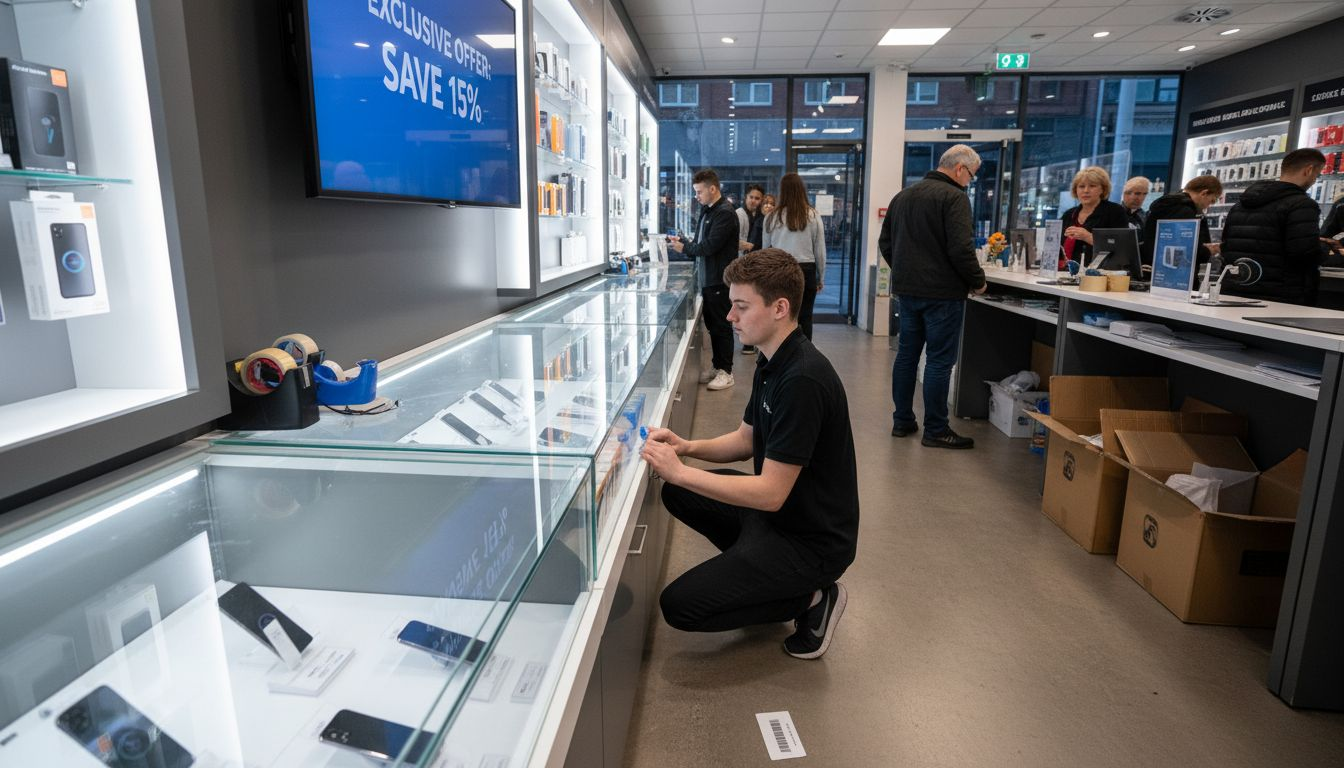
Indoor displays operate within controlled shop environments where temperature and lighting remain stable. These systems don’t require weatherproofing, allowing retailers to focus on visual quality and content flexibility.
Common indoor applications include:
- Wall-mounted screens at checkout counters
- Menu boards in food service areas
- Product showcase displays throughout the store
- Information kiosks providing customer assistance
Retail digital signage classifications include indoor environments designed for optimal visibility and customer interaction. Indoor displays typically feature standard brightness levels suitable for retail shop settings.
Outdoor and High-Brightness Displays
Outdoor digital signage faces weather exposure and intense ambient light. These displays require weatherproof construction and significantly higher brightness levels to remain visible in daylight.
Outdoor displays serve critical functions:
- Window promotions visible from the street
- Car park wayfinding and special offers
- Storefront branding and announcements
- External entrance messaging
High brightness digital poster technology provides the luminosity needed to cut through sunlight. These systems withstand rain, wind, and temperature fluctuations whilst maintaining consistent image quality.
Interactive and Engagement Displays
Interactive signage transforms passive viewing into active customer participation. These displays respond to touch, gesture, or proximity, creating memorable shopping experiences.
Interactive systems include:
- Touch screen kiosks for product browsing
- Digital mirrors allowing virtual try-ons
- Gesture-recognition displays for interactive games
- Proximity sensors triggering relevant content
Pro tip: Position interactive displays where customer queues naturally form—checkout areas and shop entrances—to transform waiting time into engagement opportunities that boost impulse purchases.
Here’s a summary of digital signage display types and their typical business advantages:
| Display Type | Best Location | Main Advantage | Example Business Outcome |
|---|---|---|---|
| Indoor Screens | Checkout counters | Enhanced point-of-sale messaging | Increased impulse purchases |
| Outdoor Posters | Storefront windows | High visibility in daylight | Greater foot traffic |
| Interactive Kiosks | Customer queue areas | Direct customer engagement | Improved satisfaction rates |
| High-Brightness Displays | External entrances | Consistent image quality outdoors | Strong brand presence |
How Digital Signage Enhances Customer Engagement
Passive displays fade into the background. Digital signage actively captures attention, guides customer behaviour, and creates memorable shopping moments that drive loyalty and sales.
Engagement through digital signage goes beyond simple promotion. It transforms how customers interact with your brand and products throughout their shopping journey.
Creating Two-Way Communication
Traditional signs broadcast messages one direction only. Digital signage enables two-way communication where customers actively participate and provide feedback.
Touch screens, gesture controls, and proximity sensors let shoppers interact with content directly. A customer can browse product details, access special offers, or request assistance without staff intervention.
Interactive digital signage solutions transform viewing into participation. This active engagement significantly increases the time customers spend interacting with your displays and considering purchases.
Personalisation and Real-Time Adaptation
Your digital signage can change content instantly based on customer behaviour and preferences. Morning displays target commuters rushing for coffee. Evening displays promote dinner meal deals to tired shoppers.
Personalisation benefits include:
- Content adjusted by time of day
- Messaging tailored to customer demographics
- Promotions based on shopping history
- Real-time inventory updates
Pro tip: Use checkout area displays to showcase complementary products and loyalty programme benefits whilst customers wait—transforming queuing time into an opportunity for additional sales and engagement.
Practical Applications and Success Stories
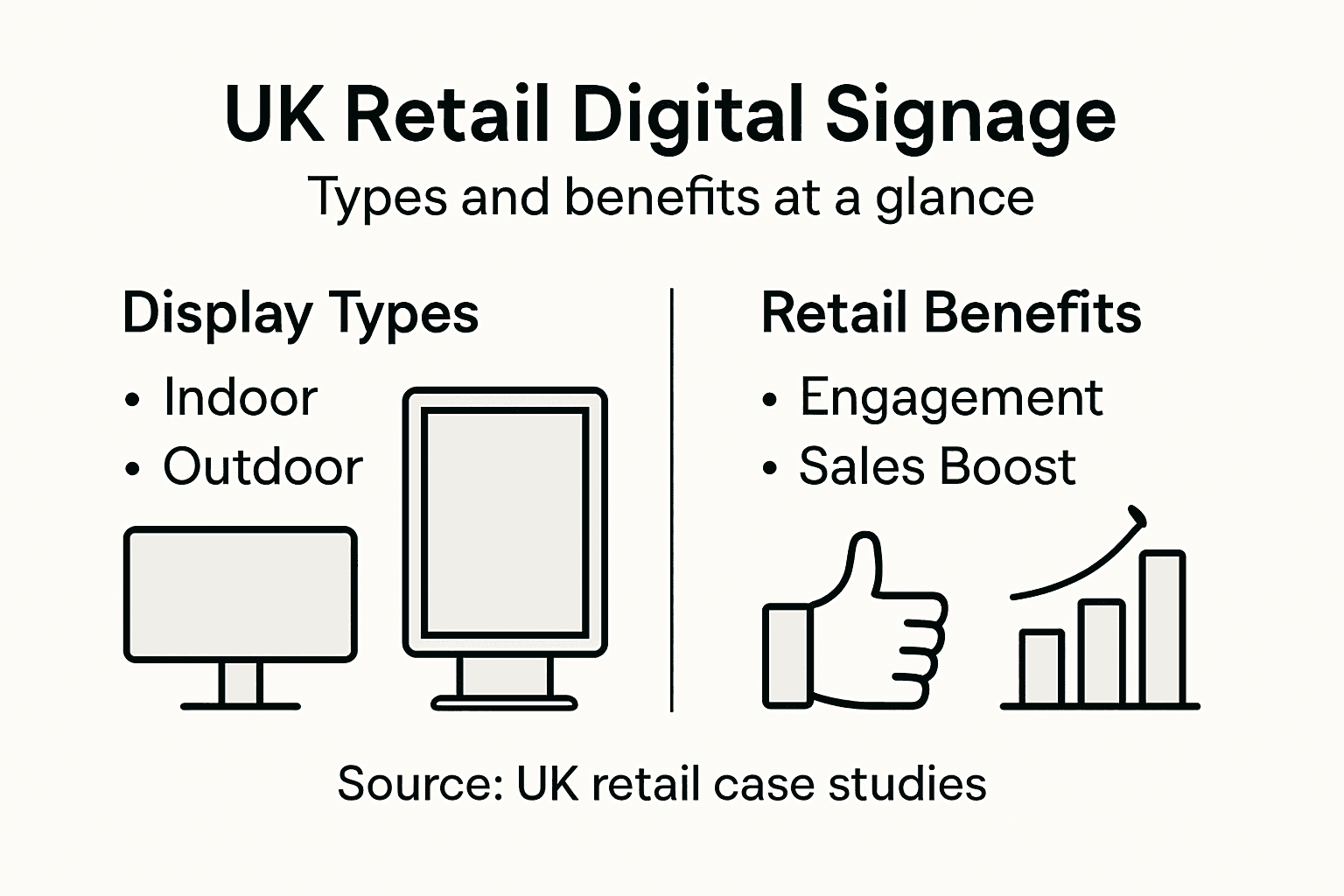
Digital signage isn’t theoretical. Real retailers across the UK are deploying these systems and seeing measurable results in sales, customer satisfaction, and operational efficiency.
Understanding how others use digital signage helps you identify opportunities within your own store.
Real-World Retail Uses
Digital signage solves everyday retail challenges. From guiding shoppers to promoting impulse purchases, these systems address multiple business needs simultaneously.
Common applications include:
- Product promotions: Dynamic pricing and special offers that update instantly
- Wayfinding: Helping customers navigate large stores and find departments
- Menu boards: Real-time updates showing availability and pricing
- Queue management: Displaying wait times and entertainment whilst customers wait
- Brand storytelling: Video content showcasing products and company values
Digital signage technologies enhance customer engagement across multiple touchpoints. Studies confirm that digital displays positively influence purchasing decisions and drive impulse sales.
Learning from Market Leaders
Major retailers have proven digital signage’s effectiveness at scale. Their success demonstrates what’s possible when systems are implemented strategically.
Global brands using digital signage successfully:
- Fast food chains reducing order errors through digital menu boards
- Fashion retailers using interactive displays for product discovery
- Beauty brands enabling virtual try-ons and personalised recommendations
- Automotive showrooms creating immersive digital environments
These implementations share common success factors: clear customer benefit, seamless integration with store layout, and content that updates frequently.
Digital signage drives measurable business results when it solves genuine customer problems, not merely replaces static signage.
Pro tip: Start with one high-traffic location—such as your entrance or checkout—to test digital signage effectiveness before expanding across your entire store.
Common Pitfalls and How to Avoid Them
Digital signage deployments often fail not because of poor technology, but because of poor execution. Knowing what goes wrong helps you sidestep costly mistakes.
Many retailers implement systems without considering content strategy, placement, or ongoing management. This leads to displays that frustrate customers and waste investment.
Content and Design Mistakes
Your first instinct might be to pack displays with information. Resist it. Cluttered screens overwhelm customers and reduce message effectiveness.
Common content errors include:
- Overloading screens with too much text or imagery
- Using low-resolution images that look blurry and unprofessional
- Poor colour contrast making text difficult to read
- Outdated content that appears forgotten or neglected
- Static displays unchanged for weeks or months
Digital signage mistakes significantly reduce effectiveness. Keep messages simple, use high-quality visuals, maintain strong contrast, and update content regularly. A single clear message beats three confused ones every time.
Technical and Operational Challenges
Behind every great display sits reliable infrastructure. Network failures, security gaps, and poor content management undermine even excellent hardware.
Key operational pitfalls include:
- Network connectivity interruptions causing black screens
- Data security vulnerabilities exposing customer information
- Inadequate content management making updates difficult
- Poor screen placement causing glare or visibility issues
- Insufficient feedback systems preventing performance measurement
Digital signage deployment challenges require proactive management. Conduct site surveys before installation, plan your content strategy upfront, use professional software solutions, and schedule regular security audits.
The costliest mistake isn’t choosing the wrong hardware—it’s deploying good hardware without proper content strategy and ongoing management.
Pro tip: Test your digital signage deployment in one small area for two weeks before full rollout, measuring customer engagement and technical reliability to catch problems early.
Elevate Your Retail Success with Expert Digital Signage Solutions
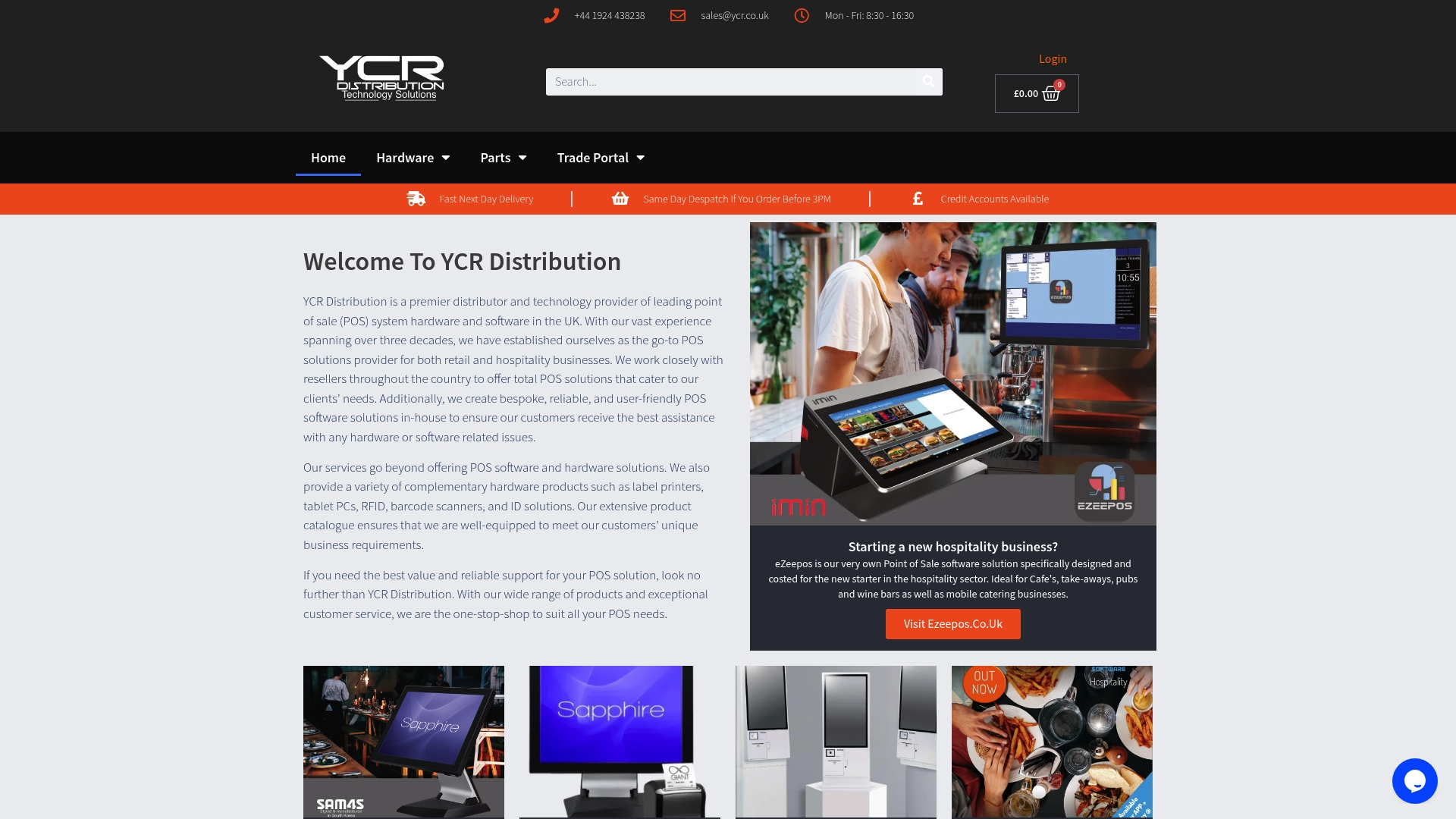
The article highlights how digital signage transforms UK retail environments by offering dynamic, real-time content that drives customer engagement and boosts sales. Retailers face challenges such as ensuring instant content updates, catering to diverse customer needs, and delivering interactive experiences that stand out from traditional static signage. At YCR Distribution, we understand these key pain points, offering integrated POS hardware and software solutions tailored to create immersive, customer-centric displays that adapt to your store’s unique demands.
Whether you need high-brightness outdoor digital posters or interactive indoor screens, our comprehensive range from trusted brands like SAM4S and iMin is designed to overcome common obstacles like poor visibility and limited content flexibility. Combine this with bespoke software like SAMTOUCH and EZEEPOS that streamlines content management and personalises customer interaction in real time freestanding outdoor digital posters. Experience the difference a fully integrated system can make in elevating your retail space.
Boost foot traffic, increase impulse purchases and create memorable shopping journeys now. Discover how our complete POS ecosystem supports your goals by visiting YCR Distribution.
Get in touch today to transform your retail signage into a powerful sales and engagement tool that keeps you ahead in a competitive market. Explore our expert solutions at YCR Distribution and start your journey towards retail success.
Frequently Asked Questions
What is digital signage and how does it differ from traditional signage?
Digital signage refers to electronic display systems that communicate with customers through dynamic, engaging content. Unlike traditional signage, which is static, digital signage can be updated instantly and tailored based on customer behaviour.
How can digital signage enhance customer engagement in retail environments?
Digital signage creates interactive experiences, allowing customers to participate by touching screens or engaging with content. This two-way communication increases the time spent interacting with displays, ultimately driving sales and customer satisfaction.
What types of digital signage displays are commonly used in retail?
Common types of digital signage displays include indoor screens for promotions, outdoor high-brightness displays for visibility in daylight, and interactive kiosks for customer engagement. Each type serves different business needs depending on location and purpose.
What are the key components needed for a successful digital signage system?
A successful digital signage system typically includes display hardware (screens), content management software, media players, and reliable connectivity. Together, these components enable effective delivery and management of visual content in retail settings.