- +44 1924 438238
- sales@ycr.co.uk
- Mon - Fri: 8:30 - 16:30

Hospitality POS tips 2026: optimise efficiency 30% more
Choosing the right POS system for your hospitality business in 2026 has become a critical decision that shapes your operational efficiency and customer experience. With advances in AI, delivery platform integration, and contactless payments, modern POS solutions offer unprecedented opportunities to boost productivity whilst reducing costs. This guide provides actionable tips to help you evaluate, compare, and select the ideal system for your restaurant, café, or takeaway operation this year.
Table of Contents
- How To Evaluate Hospitality Pos Systems In 2026
- Top Hospitality Pos Features To Boost Efficiency And Sales
- Comparing Leading Hospitality Pos Options In The Uk
- How To Decide The Best Hospitality Pos For Your Business
- Upgrade Your Hospitality Pos With Ycr Experts
Key takeaways
| Point | Details |
|---|---|
| Delivery integration | Connecting with platforms like Deliveroo increases order volume by 30% |
| AI features | Predictive ordering and automated inventory reduce waste by 15% and improve productivity by 10% |
| Reliability matters | Downtime costs UK hospitality businesses significant revenue and damages customer trust |
| Hardware choices | Selecting compatible terminals, tablets, and printers ensures smooth daily operations |
| Customer satisfaction | Fast checkouts and contactless payments elevate the guest experience measurably |
How to evaluate hospitality POS systems in 2026
When selecting or upgrading your POS solution, start by examining how well each system integrates with the role of POS in hospitality UK operations. Integration with online ordering and delivery platforms has become non-negotiable in 2026, as these channels now represent a substantial portion of total revenue for most hospitality venues. Your evaluation should prioritise systems that seamlessly connect with Deliveroo, Uber Eats, and Just Eat without requiring manual order entry.
AI-powered features have moved from luxury to necessity this year. Look for predictive ordering capabilities that analyse historical data to forecast demand, automated inventory tracking that alerts you before stock runs low, and intelligent scheduling that optimises staff rotas based on expected footfall. These features eliminate guesswork and reduce the administrative burden on managers.
Reliability and uptime should dominate your decision criteria. Even brief system failures disrupt service, frustrate customers, and cost you sales during peak hours. Evaluate each vendor’s track record for system stability, their response times for technical support, and whether they offer redundancy options like offline mode or backup terminals.
Hardware compatibility determines how smoothly your daily operations run. Consider whether the POS works with durable commercial-grade terminals, mobile tablets for tableside ordering, kitchen display systems, and receipt printers. Ease of use matters equally, as complex interfaces slow down service and increase training time for new staff.
Finally, examine security protocols and scalability potential. Your chosen system must comply with PCI-DSS standards for payment security, encrypt customer data, and support multi-location management if you plan to expand. Benefits integrated POS systems UK hospitality 2026 demonstrates how unified platforms simplify growth.
- Integration with delivery platforms and online ordering
- AI capabilities for inventory, scheduling, and demand forecasting
- Proven reliability with minimal downtime
- Compatible hardware and intuitive user interfaces
- Robust security and scalability for business growth
Top hospitality POS features to boost efficiency and sales
Online food delivery sales will hit £14.5 billion in the UK by 2026, making delivery platform integration the single most impactful feature for competitiveness. EPOS systems linked to these platforms experience 30% order growth compared to venues relying solely on phone orders. This integration eliminates manual order entry errors, synchronises inventory automatically, and consolidates all orders into one dashboard.
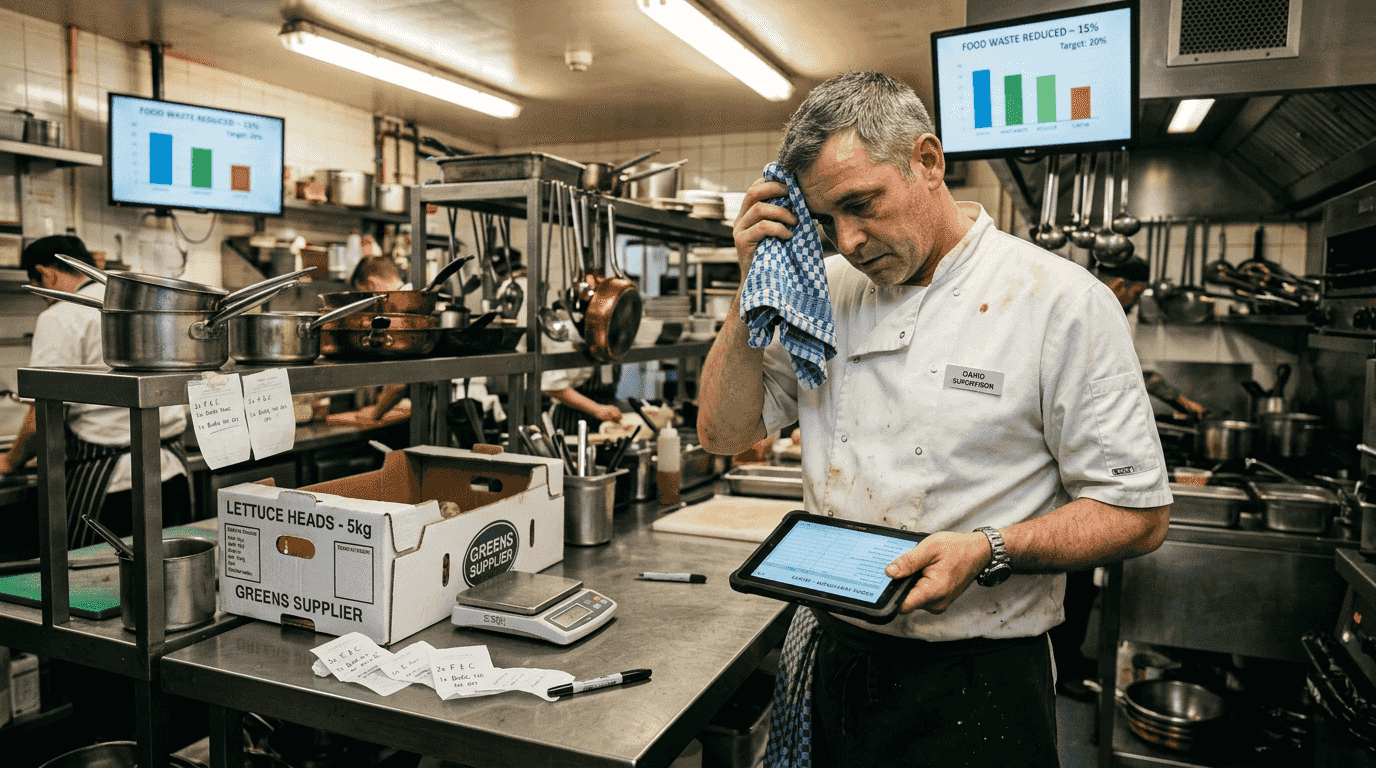
AI features deliver measurable operational improvements across multiple areas. AI integration reduces food waste by 15% whilst raising staff productivity by 10% through predictive ordering that matches stock levels to forecasted demand. Automated inventory alerts prevent stockouts of popular items whilst minimising over-ordering of perishables. Intelligent scheduling analyses historical traffic patterns to ensure optimal staffing levels during rushes without overstaffing during quiet periods.
Contactless payments and rapid checkout processes directly enhance customer satisfaction scores. Modern POS terminals support tap-to-pay cards, mobile wallets, and QR code payments that process transactions in seconds. This speed reduces queue times, improves table turnover in restaurants, and creates a frictionless payment experience that customers now expect as standard.
Inventory and staff management tools consolidate multiple functions into one platform. Real-time stock tracking prevents menu disappointments when ingredients run out. Staff clock-in features integrated with payroll systems eliminate timesheet disputes. Sales analytics dashboards reveal which menu items drive profit and which underperform, enabling data-driven menu optimisation.
Explore hospitality POS trends 2026 and restaurant POS systems UK efficiency 2026 for deeper insights into emerging capabilities.
- Seamless integration with Deliveroo, Uber Eats, and Just Eat
- AI-powered predictive ordering and automated inventory management
- Contactless payment support including tap-to-pay and mobile wallets
- Real-time inventory tracking with low-stock alerts
- Integrated staff management with clock-in and payroll features
- Sales analytics dashboards for menu optimisation
Pro Tip: Choose POS systems with modular AI features that you can activate gradually as your team adapts, rather than implementing everything simultaneously and overwhelming staff.
Comparing leading hospitality POS options in the UK
When comparing vendors, examine their track record specifically within UK hospitality environments rather than generic retail implementations. Some providers excel at quick-service restaurants whilst others specialise in full-service dining with complex table management needs. Request case studies from venues similar to yours in size and service style.
Uptime reliability separates exceptional systems from merely adequate ones. Downtime results in costly disruptions that impact revenue immediately and damage customer experience significantly. Investigate each vendor’s guaranteed uptime percentage, their average response time for critical issues, and whether they provide 24/7 UK-based technical support or rely on overseas call centres with limited availability.
Integration capabilities extend beyond delivery platforms to include accounting software like Xero or QuickBooks, booking systems like OpenTable, and customer loyalty programmes. Systems with open APIs provide flexibility to connect with additional tools as your needs evolve, whilst closed ecosystems limit your options.
Pricing models vary dramatically between vendors. Some charge monthly subscriptions per terminal, others take transaction percentage fees, and a few offer perpetual licences with annual support contracts. Calculate your total cost of ownership over three years, factoring in hardware costs, software fees, payment processing rates, and ongoing support charges.
Review the POS hardware checklist UK retail hospitality 2026 and available POS software options to understand the full scope of components required.
| Feature | Entry-Level Systems | Mid-Range Solutions | Enterprise Platforms |
|---|---|---|---|
| Delivery Integration | Limited (1-2 platforms) | Comprehensive (major platforms) | Full integration plus custom APIs |
| AI Capabilities | Basic reporting | Predictive inventory | Advanced forecasting and scheduling |
| Uptime Guarantee | 95-98% | 99%+ | 99.9%+ with redundancy |
| UK Support | Email only | Phone during business hours | 24/7 dedicated account manager |
| Hardware Options | Specific terminals only | Multiple compatible devices | Complete flexibility |
| Monthly Cost | £50-100 per terminal | £100-200 per terminal | Custom enterprise pricing |
Pro Tip: Prioritise vendors with demonstrable hospitality-specific implementations in the UK market, as they understand regulatory requirements like allergen labelling and HMRC digital receipts.
How to decide the best hospitality POS for your business
Begin by assessing your business fundamentals: venue size, average daily covers, peak service hours, and current order volume split between dine-in, takeaway, and delivery. A 20-seat café has vastly different needs than a 200-cover restaurant with multiple service stations. Document your current pain points, whether that’s slow table turnover, inventory discrepancies, or staff scheduling conflicts.
Align POS features with your operational priorities and realistic budget constraints. If delivery orders represent 40% of revenue, prioritise seamless platform integration over advanced table management. If food waste concerns you, invest in AI-powered inventory prediction. Match your spending to features that solve actual problems rather than impressive capabilities you’ll never use.
Request hands-on demos and trial periods from your shortlisted vendors. Have your front-of-house and kitchen staff test the systems during normal service, as their daily experience matters more than management approval. Observe how quickly new team members learn the interface and whether it speeds up or slows down your service flow.
Prioritise systems with robust local UK support infrastructure. When your POS fails during Saturday dinner service, you need immediate telephone support from technicians who understand your specific system, not email tickets that receive responses hours later. Verify support availability matches your operating hours.
Prepare a comprehensive staff training and transition plan to minimise operational disruption. Schedule implementation during your quietest trading period, train team members in small groups, and maintain your old system as backup for at least two weeks. Learn how to optimise hospitality POS for maximum efficiency gains.
- Assess venue size, order volume, and service style requirements
- Match features to your specific operational challenges and budget
- Request demos and involve staff in testing usability
- Verify strong UK-based support during your operating hours
- Plan phased implementation with comprehensive staff training
Upgrade your hospitality POS with YCR experts
Navigating the complex landscape of POS technology becomes straightforward when you partner with specialists who understand UK hospitality operations inside out. YCR Distribution brings over three decades of experience matching businesses with the precise hardware and software combinations that solve real operational challenges.
Whether you’re running a bustling restaurant, intimate café, or high-volume takeaway, our team helps you select from comprehensive POS software options including SAMTOUCH and EZEEPOS, designed specifically for hospitality workflows. Our detailed POS hardware checklist UK retail hospitality 2026 ensures you choose terminals, printers, and peripherals that integrate seamlessly and withstand demanding commercial environments. Access our POS hardware troubleshooting tutorial to maintain smooth operations and resolve issues quickly, minimising costly downtime that disrupts service.
FAQ
What is the best hospitality POS for 2026?
The optimal POS depends on your specific business size, integration requirements, and budget constraints. Systems excelling in quick-service environments may lack features crucial for full-service dining. Prioritise solutions with proven UK hospitality implementations, strong delivery platform integration, and AI capabilities matching your operational priorities.
How can POS integration with delivery platforms help my business?
Integration eliminates manual order entry, reducing errors whilst consolidating all orders into one unified dashboard. Integration with platforms like Deliveroo increases order volume by 30% compared to phone-only operations. This expansion reaches new customers whilst synchronising inventory automatically across all sales channels, preventing overselling and stockouts.
What are the benefits of AI in hospitality POS systems?
AI transforms reactive management into proactive optimisation through predictive ordering and automated inventory control. AI features reduce food waste by 15% and improve staff productivity by 10% by forecasting demand accurately. These systems analyse historical patterns to predict busy periods, optimise stock levels, and suggest ideal staffing rotas, eliminating guesswork from daily operations.
How much should I budget for a hospitality POS in 2026?
Expect total costs between £2,000 and £15,000 annually depending on venue size and feature requirements. Entry systems start around £50-100 monthly per terminal, whilst enterprise solutions with advanced AI and multi-location management exceed £200 monthly. Factor in hardware purchases (terminals, printers, kitchen displays), payment processing fees, and ongoing support contracts when calculating total ownership costs over three years.