- +44 1924 438238
- sales@ycr.co.uk
- Mon - Fri: 8:30 - 16:30

Harness the role of POS software for hospitality success
Many hospitality businesses view POS software as little more than a digital till, processing payments and printing receipts. This narrow perspective overlooks the transformative potential of modern POS systems to revolutionise operations, enhance customer experiences, and drive profitability. From real-time inventory tracking to predictive analytics, today’s POS solutions offer capabilities that extend far beyond simple transactions. This guide reveals how UK hospitality managers can leverage POS software effectively, overcome implementation challenges, and maximise return on investment through strategic system selection and deployment.
Table of Contents
- Key takeaways
- Understanding the core role of POS software in hospitality
- Operational benefits and efficiencies gained from POS software
- Overcoming implementation challenges and choosing the right POS software
- Innovations shaping hospitality POS software in 2026 and beyond
- Explore expert POS software and hardware solutions
- Frequently asked questions
Key Takeaways
| Point | Details |
|---|---|
| Role beyond payments | POS software acts as the operational backbone, enabling real time inventory, order management, and data driven insights that boost profitability and customer experience. |
| Cloud based POS benefits | Cloud based POS systems provide remote access, automatic updates, scalability, and compliance with UK requirements such as HMRC MTD and PCI DSS. |
| Implementation and training | With proper vendor support and staff training, deployment can minimise disruption and maximise return on investment. |
| AI and real time data | Integrating AI and real time data improves inventory accuracy and enables personalised service for guests. |
Understanding the core role of POS software in hospitality
POS software serves as the operational backbone of modern hospitality businesses, handling far more than simple payment processing. These systems manage sales transactions, track orders from kitchen to table, coordinate table assignments, and process multiple payment methods seamlessly. The technology collects valuable operational data with every interaction, providing insights into customer preferences, peak service times, and inventory consumption patterns.
Unlike traditional cash registers, contemporary POS platforms function as comprehensive business management tools. They monitor stock levels in real time, alert managers to low inventory before stockouts occur, and generate detailed reports on sales performance across different menu items or service periods. This data-driven approach transforms decision-making from reactive guesswork to proactive strategy.
For UK hospitality managers, prioritise cloud-based unified POS with UK compliance (HMRC MTD, PCI DSS) for scalability and real-time insights. These regulatory requirements shape essential POS features, ensuring your business meets legal obligations whilst benefiting from modern capabilities. HMRC Making Tax Digital mandates digital record-keeping and VAT return submission, whilst PCI DSS standards protect customer payment data through encryption and secure processing protocols.
Cloud-based systems offer distinct advantages over legacy on-premise solutions. They enable remote access to business data from any location, automatic software updates without manual intervention, and seamless scalability as your business expands. Whether you operate a single café or manage multiple restaurant locations, cloud POS adapts to your needs without requiring costly hardware upgrades.
Unified platforms integrate multiple hospitality functions into a single ecosystem. Order management, inventory control, staff scheduling, customer loyalty programmes, and financial reporting work together seamlessly. This integration eliminates data silos, reduces manual entry errors, and provides a complete operational picture. Understanding the broader role of POS in retail contexts also illuminates cross-industry applications that benefit hospitality operations.
Key POS capabilities for hospitality include:
- Real-time order routing to kitchen display systems and bar printers
- Table management with visual floor plans and reservation integration
- Split billing and flexible payment options for diverse customer needs
- Modifier tracking for dietary requirements and customisation requests
- Multi-currency support for international guests
Operational benefits and efficiencies gained from POS software
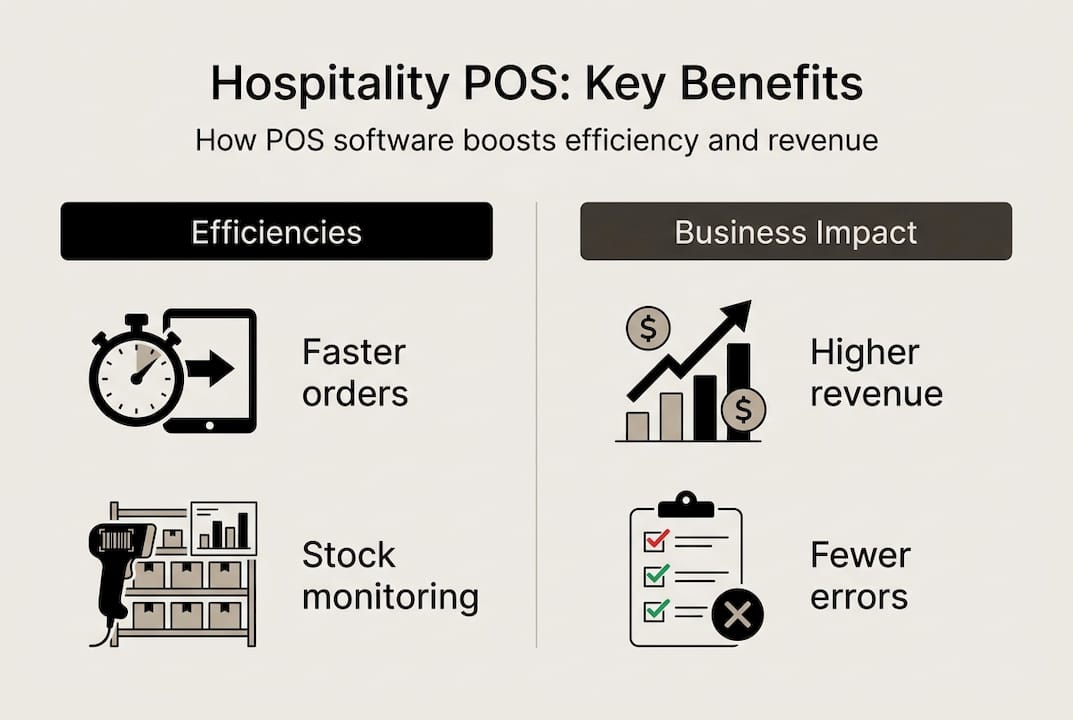
POS systems deliver measurable improvements across multiple operational dimensions. Order processing becomes dramatically faster and more accurate, reducing both customer wait times and costly preparation errors. When servers enter orders directly into handheld devices, information flows instantly to kitchen staff without handwriting interpretation or verbal miscommunication. This streamlined workflow accelerates table turnover during busy periods whilst maintaining service quality.
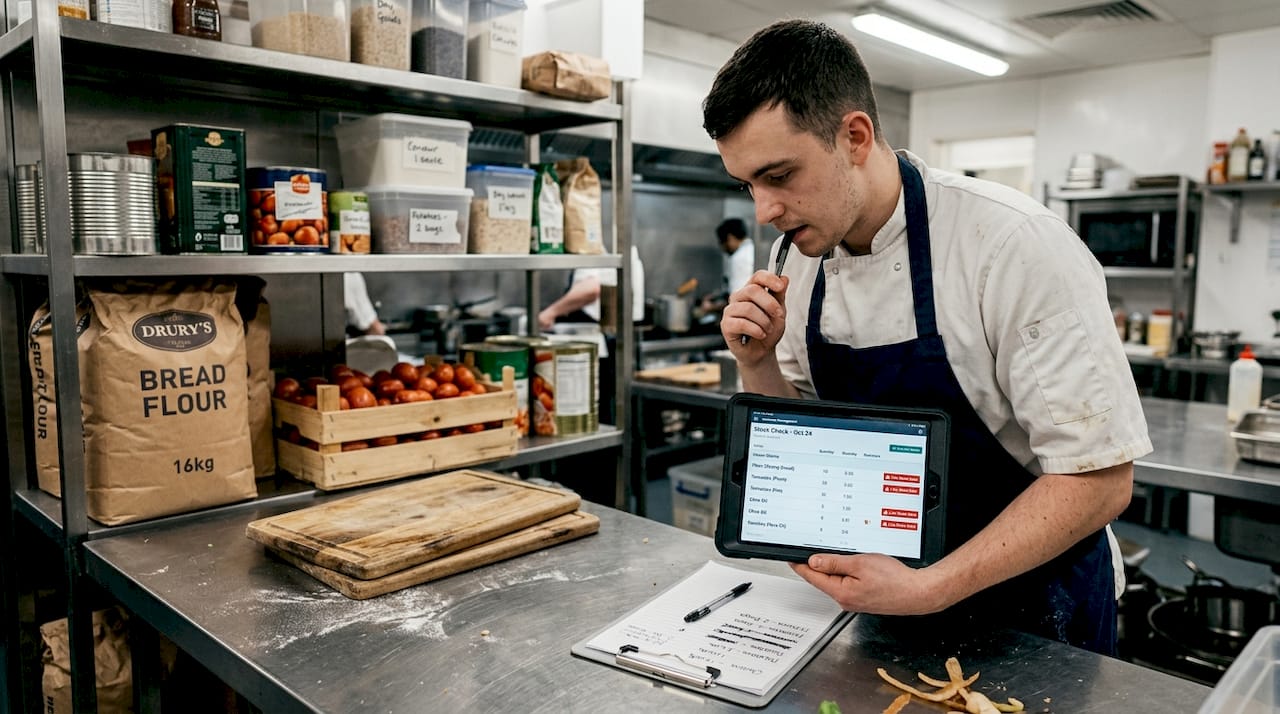
Inventory tracking transforms from periodic manual counts to continuous automated monitoring. Each sale automatically deducts ingredients from stock levels based on recipe specifications, providing real-time visibility into what needs reordering. This precision reduces waste by 15-25% according to empirical data from UK hospitality operators, preventing both spoilage from over-ordering and lost sales from stockouts.
Staff productivity improves significantly through intuitive interfaces designed for speed and ease of use. Role-based access controls ensure team members see only relevant functions, reducing confusion and training time. New employees become productive faster when systems guide them through standard workflows with clear prompts and visual cues. Managers gain insights into individual performance metrics, identifying top performers and areas where additional coaching delivers value.
Cloud POS handles peak volumes and multi-site operations without performance degradation. During lunch rushes or special events, systems process hundreds of simultaneous transactions whilst maintaining response times. Centralised management across multiple locations provides consolidated reporting and standardised operations, ensuring consistent customer experiences regardless of which venue guests visit. Staying current with point of sale trends 2026 helps businesses leverage emerging capabilities.
Offline queuing ensures uninterrupted service during connectivity disruptions. When internet connections drop temporarily, modern POS systems continue accepting orders and processing payments locally, then synchronise data automatically once connectivity restores. This resilience prevents lost revenue and maintains customer satisfaction even during infrastructure issues.
Pro Tip: Implement automated low-stock alerts set to trigger reorders two days before typical depletion, accounting for supplier lead times and weekend closures. This proactive approach prevents emergency orders at premium prices.
Empirical data demonstrates strong ROI across multiple metrics:
| Performance metric | Typical improvement | Business impact |
|---|---|---|
| Order processing efficiency | 15-40% faster | Higher table turnover, increased revenue |
| Inventory waste reduction | 15-25% decrease | Lower food costs, improved margins |
| Staff training time | 30-50% reduction | Faster onboarding, lower labour costs |
| Revenue uplift | 10-15% increase | Better upselling, reduced errors |
These hospitality POS trends reflect real-world implementations across diverse UK venues, from independent cafés to multi-site restaurant groups. The consistency of these improvements across different business models demonstrates the fundamental value POS software delivers when properly implemented.
Overcoming implementation challenges and choosing the right POS software
Upfront costs represent the most visible barrier to POS adoption. Software subscriptions typically range from £50 to £200 monthly per terminal, whilst hardware purchases add £500 to £2,000 per station depending on specifications. These investments feel substantial for small operators, yet they pale compared to ongoing costs of inefficient manual systems. Calculate total cost of ownership over three years, factoring in efficiency gains and waste reduction, to reveal the true financial picture.
Integration with existing platforms poses technical challenges when businesses use separate systems for accounting, reservations, and inventory management. Legacy software may lack modern APIs, requiring custom development or middleware solutions. Common challenges include high upfront costs, integration issues, and staff resistance, yet these obstacles diminish significantly with local UK support and scalable cloud systems that offer pre-built integrations with popular business tools.
Staff resistance often emerges from inadequate training and poor change management. Team members comfortable with familiar processes fear new technology will complicate their work or threaten their positions. Address these concerns directly through transparent communication about implementation goals and benefits. Involve staff in system selection by soliciting feedback on workflow pain points and desired features, creating ownership and buy-in.
Local UK support proves crucial for addressing technical issues and compliance requirements promptly. When problems arise during service hours, waiting for overseas support teams across time zones costs revenue and frustrates customers. Providers with UK-based technical teams resolve issues quickly, understand regional regulatory nuances, and communicate clearly without language barriers. This responsive support significantly impacts implementation success and ongoing satisfaction.
Cloud-based systems offer scalable options fitting various business sizes and growth trajectories. Start with essential features, then add capabilities as needs evolve and budgets allow. This modular approach spreads costs over time whilst delivering immediate benefits from core functionality. Resources like guides on choosing POS system UK considerations help navigate selection criteria specific to British hospitality requirements.
Pro Tip: Schedule implementation during your slowest trading period, allowing staff adequate learning time without peak-hour pressure. Run parallel systems for one week to build confidence before full cutover.
Consider these factors when evaluating POS solutions:
- Subscription model flexibility with month-to-month options versus long-term contracts
- Hardware compatibility with existing equipment to minimise replacement costs
- Integration ecosystem supporting your accounting software and third-party delivery platforms
- Training resources including video tutorials, documentation, and hands-on support
- Compliance certifications for UK regulations including data protection and payment security
The restaurant POS implementation process requires careful planning but delivers transformative results when executed systematically with proper support and stakeholder engagement.
| Implementation phase | Duration | Key activities |
|---|---|---|
| Planning and selection | 2-4 weeks | Requirements gathering, vendor evaluation, contract negotiation |
| Configuration and testing | 1-2 weeks | System setup, menu programming, integration testing |
| Staff training | 1 week | Hands-on sessions, workflow practice, Q&A support |
| Go-live and stabilisation | 1-2 weeks | Parallel operation, issue resolution, performance monitoring |
Innovations shaping hospitality POS software in 2026 and beyond
AI-powered POS systems enhance forecasting accuracy and stock control through machine learning algorithms that analyse historical sales patterns, weather data, local events, and seasonal trends. These predictive capabilities recommend optimal inventory levels for each ingredient, reducing waste whilst ensuring availability during demand spikes. Some systems automatically generate purchase orders when stock reaches predetermined thresholds, streamlining procurement workflows.
Personalisation features improve guest loyalty and create upselling opportunities by recognising returning customers and their preferences. When regulars arrive, staff receive prompts about favourite dishes, dietary restrictions, and previous special requests. This recognition makes guests feel valued whilst enabling targeted recommendations that increase average transaction values. Loyalty programme integration tracks points automatically and suggests relevant rewards, encouraging repeat visits.
Technology cannot fully replace the human touch in luxury hospitality experiences. Whilst AI excels at data analysis and routine tasks, genuine hospitality requires empathy, intuition, and emotional intelligence that remain distinctly human capabilities. Integrate POS with AI for predictive inventory and personalisation, but ensure human elements persist for luxury guest experiences. Phased pilots mitigate risks when adopting new technologies.
Phased pilot testing reduces implementation risks by validating new capabilities in controlled environments before full deployment. Select a single location or service period to trial innovations, gather feedback from staff and customers, and refine configurations based on real-world performance. This measured approach prevents costly mistakes whilst building organisational confidence in new tools.
Balanced approaches between automation and personal service deliver optimal results. Automate repetitive tasks like inventory counts and sales reporting, freeing staff to focus on guest interactions and creative problem-solving. Use technology to enhance rather than replace human judgement, providing team members with better information to deliver exceptional service. Exploring modern POS systems retail hospitality trends reveals how leading operators balance these priorities.
Emerging POS capabilities to watch include:
- Voice-activated order entry allowing hands-free operation during busy service
- Computer vision systems monitoring food preparation for consistency and safety
- Blockchain-based supply chain tracking ensuring ingredient provenance and authenticity
- Augmented reality training tools accelerating staff onboarding through immersive simulations
- Biometric authentication replacing passwords for faster, more secure system access
“The most successful hospitality operators view POS software as a strategic asset rather than a necessary expense. They invest in systems that scale with growth, integrate seamlessly with other business tools, and provide actionable insights that drive better decisions. This strategic perspective transforms POS from a cost centre into a competitive advantage.”
These innovations from AI changing restaurant technology demonstrate the rapid evolution of hospitality POS capabilities, yet successful adoption requires thoughtful implementation that prioritises staff needs and guest experiences alongside technical capabilities.
Explore expert POS software and hardware solutions
Implementing the insights from this guide requires access to reliable POS technology backed by expert support. YCR Distribution provides comprehensive solutions tailored specifically for UK hospitality operations, combining three decades of industry experience with cutting-edge technology partnerships. Whether you operate a bustling city restaurant, a countryside pub, or a multi-site café chain, the right POS infrastructure transforms operational efficiency and customer satisfaction.
Explore curated POS software offerings designed for hospitality workflows, from order management to inventory control and guest engagement. Complement your software selection with robust POS hardware solutions including terminals, tablets, printers, and accessories that withstand demanding service environments. Detailed guidance through the restaurant POS implementation process ensures smooth deployment and staff adoption, maximising your technology investment from day one.
Frequently asked questions
What features should I prioritise in POS software for hospitality?
Prioritise real-time inventory management that tracks ingredient usage automatically, reducing waste and preventing stockouts during service. Multi-site capability with centralised reporting proves essential for businesses planning expansion or managing multiple locations. Compliance with UK regulations including HMRC Making Tax Digital and PCI DSS payment security standards protects your business legally whilst building customer trust. Seamless payment processing supporting contactless, chip and PIN, and mobile wallets accommodates diverse customer preferences. AI-enhanced personalisation features that recognise returning guests and their preferences create memorable experiences that drive loyalty. Easy integration with your existing accounting software and third-party delivery platforms eliminates duplicate data entry and ensures accurate financial records.
How can I train my staff to effectively use new POS software?
Use hands-on training sessions during quiet periods, allowing team members to practise without customer pressure. Create step-by-step workflows for common tasks like processing orders, handling split bills, and applying discounts, then laminate quick-reference cards for easy access during shifts. Highlight practical benefits that matter to staff, such as faster table turnover leading to more tips or simplified closing procedures saving time at end of shift. Address concerns early through open discussions about implementation goals and how the system improves rather than complicates their work. Provide ongoing support through designated super-users who receive advanced training and assist colleagues during the transition period. Consult the restaurant POS training guide for structured onboarding approaches that accelerate proficiency.
What are common issues during peak service, and how does POS software help?
POS software queues transactions in offline mode when internet connectivity drops temporarily, preventing order loss and maintaining service continuity until connection restores. Multi-site centralised systems balance processing load during exceptionally busy periods, distributing transactions across infrastructure to maintain response times. Modern POS reduces order errors through clear digital communication between front-of-house and kitchen staff, eliminating handwriting misinterpretation and verbal miscommunication. Faster transaction processing accelerates table turnover, allowing you to serve more guests during peak hours without compromising service quality. Edge cases include offline operation queuing, multi-site centralisation, and handling high-volume peaks without integration failures, capabilities that separate robust systems from inadequate solutions.
How do cloud-based POS systems enhance scalability and compliance in the UK?
Cloud-based unified POS with UK compliance (HMRC MTD, PCI DSS) offers scalability and real-time insights that traditional systems cannot match. HMRC Making Tax Digital compliance ensures your digital records meet legal requirements for VAT reporting, avoiding penalties and audit complications. PCI DSS certification protects customer payment data through encryption and secure processing protocols, building trust and preventing costly breaches. Cloud systems allow seamless addition of locations and users as your business grows, with new sites accessing the same centralised data and standardised workflows immediately. Real-time data synchronisation across all locations supports faster decision-making based on current performance rather than outdated reports. Automatic software updates deliver new features and security patches without manual intervention or service disruption, keeping your systems current with minimal effort.